

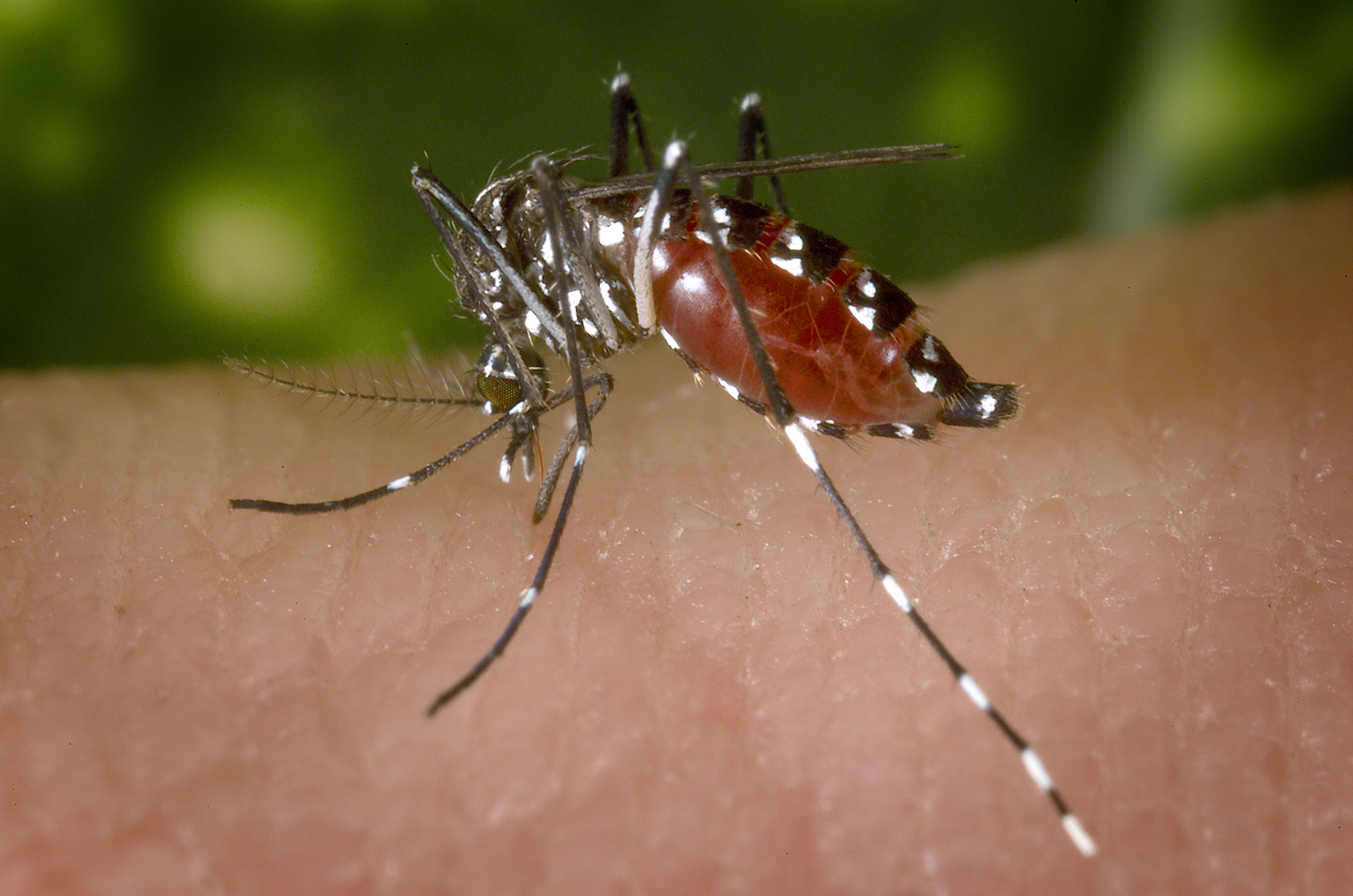

Why Am I Seeing So Many Mosquitoes This Time of Year?
Why so we see so many mosquitoes this time of year? If you have spent any time outdoors recently, you have probably noticed something: mosquitoes are everywhere. You walk out your front door and they are already there. You sit on the back patio for five minutes and you come inside covered in bites. It is frustrating, and it is not your imagination. There are real reasons why mosquitoes this time of year seem so much worse than any other season. Understanding those reasons is the first step toward taking back your yard.
In this post, we will break down exactly why we see mosquitoes this time of year, why mosquito populations spike in late spring and early summer, what conditions make your property a target, and — most importantly — what you can do about it.
Why Mosquitoes Are So Active Right Now
Temperature Is the Trigger
Mosquitoes are cold-blooded insects. That means their body temperature matches the environment around them. When temperatures drop below 50°F, mosquitoes become sluggish and mostly inactive. They hide in leaf litter, hollow logs, and other sheltered spots just to survive.
But once temperatures climb consistently above 50°F, mosquitoes wake up. By the time we hit the 70s and 80s — which is right where late spring and early summer tend to land — mosquitoes are not just active. They are thriving. Warm temperatures accelerate every stage of their life cycle, from egg to larva to the biting adult that makes your evenings miserable.
So when people ask why mosquitoes are so bad this time of year, the simplest answer is this: the weather just became perfect for them.
Spring Rain Creates the Perfect Breeding Ground
Temperature alone does not explain the full picture. Rainfall plays an equally important role. Mosquitoes need standing water to breed. However, they do not need much. A mosquito can lay her eggs in something as small as a bottle cap of water.
After spring showers, water collects in dozens of places around the average yard. Clogged gutters hold water for days. Flower pot saucers fill up overnight. Tarps, kids’ outdoor toys, birdbaths, and even the low spots in your lawn all become potential nurseries. Each one is an invitation for mosquitoes to multiply.
This combination of warm temperatures and frequent rain is what drives the surge. Both conditions arrive together in late spring, and that timing is no coincidence. It happens the same way every year.
The Life Cycle Explains the Population Explosion
One reason mosquito populations seem to explode almost overnight is how fast their life cycle moves. In warm weather, a mosquito can go from egg to biting adult in as little as seven to ten days.
Think about what that means. A single rainstorm creates standing water. One week later, a whole new generation of adult mosquitoes is emerging. Then it rains again. Another week passes. Another generation appears. When warm temperatures and rain happen repeatedly — as they often do in May and June — you get wave after wave of new mosquitoes stacking up before the previous generation has even died off.
Furthermore, a single female mosquito can lay up to 300 eggs at a time. Even a small amount of standing water can produce a surprisingly large number of mosquitoes in a very short period.
This is why mosquitoes this time of year can feel so overwhelming. The conditions are not just good for them. They are ideal.
What Is Attracting Mosquitoes to Your Yard Specifically?
Understanding seasonal patterns is helpful, but it also matters to know what makes one yard worse than another. Some properties attract far more mosquitoes than others, and there are specific reasons why.
Standing Water You May Not Have Noticed
The most common attractant is standing water. Most homeowners know to dump a birdbath, but they overlook the less obvious sources. Gutters clogged with leaves and debris hold water after every rain. Low spots in the yard collect puddles that take days to drain. Tarps left over your firewood or outdoor furniture hold water in their folds. Even a wheelbarrow left outside can become a breeding site after one storm.
The rule of thumb is this: if it can hold water and it sits outside, mosquitoes will find it.
Dense Vegetation and Shady Areas
Mosquitoes do not spend all their time flying around looking for a meal. During the heat of the day, they rest in cool, shaded spots. Tall grass, dense shrubs, and overgrown landscaping give mosquitoes exactly the shelter they need. The more resting habitat your yard offers, the larger the population it can support.
You, Quite Simply
Unfortunately, just being outside makes you a target. Mosquitoes detect their hosts using carbon dioxide, body heat, and sweat. Every time you breathe out, you send a signal that says “food is here.” Darker clothing also makes you easier for mosquitoes to spot visually. There is no way to eliminate these attractants entirely, but reducing other factors in your yard can make a significant difference.
What You Can Do Right Now to Reduce Mosquitoes
The good news is that you are not helpless here. There are several practical steps you can take to cut down mosquito populations around your home.
Remove Standing Water Weekly
This is the single most effective thing you can do. Walk your property once a week and empty or treat anything holding water. Dump flower pot saucers. Flip over buckets. Clean out your gutters. Check low spots in the lawn for drainage issues. If you have a birdbath, change the water every few days to prevent eggs from hatching.
Since mosquitoes can breed in as little as seven days, weekly checks are essential. Missing one week gives an entire new generation time to emerge.
Trim and Maintain Your Landscaping
Mow your lawn regularly. Cut back overgrown shrubs and bushes, especially around the edges of your property. Trim any vegetation near fences, air conditioning units, or shaded areas where mosquitoes like to rest. Reducing the resting habitat in your yard means fewer mosquitoes will stick around during the day.
Use Fans on Outdoor Living Spaces
Mosquitoes are not strong fliers. A simple box fan or patio fan creates enough airflow to make it very difficult for them to land on you. This is a low-cost solution that can make a real difference on a deck or patio. Point fans downward and outward to create a barrier around your seating area.
Treat Standing Water You Cannot Eliminate
Some standing water is unavoidable. Ornamental ponds, rain barrels, and certain drainage areas cannot simply be dumped. In those cases, you can use mosquito dunks or larvicide tablets containing Bacillus thuringiensis israelensis, commonly called Bti. This naturally occurring bacteria kills mosquito larvae without harming fish, wildlife, or pets. It is available at most hardware stores and is safe for use around children.
Wear Repellent During Peak Hours
Mosquitoes are most active at dawn and dusk. If you are going to be outside during those hours, use a repellent registered with the EPA. Products containing DEET, picaridin, or oil of lemon eucalyptus are all effective options. Wearing light-colored, long-sleeved clothing during those windows also helps reduce exposure.
When Home Remedies Are Not Enough
Sometimes, despite your best efforts, the mosquito pressure around your home remains intense. If you are following all the steps above and still dealing with swarms of mosquitoes, it may be time to bring in a professional.
A licensed pest control technician can do several things that homeowners cannot easily do on their own. First, they can identify breeding sources that are not obvious to the untrained eye — things like underground drainage areas, neighbors’ properties contributing to the problem, or hidden water collection spots. Second, they can apply barrier treatments to the vegetation around your home.
Barrier spray treatments target the shrubs, trees, and ground cover where adult mosquitoes rest during the day. When applied correctly, these treatments can reduce the adult mosquito population on your property by up to 90 percent for several weeks at a time. Regular applications throughout the summer can keep mosquitoes at a manageable level even during peak season.
In addition, professionals can set up a seasonal program tailored to your specific property. Rather than reacting to a bad mosquito day, a treatment program works proactively. It keeps populations low before they have a chance to build up.
You Should Not Have to Hide From Your Own Backyard
Mosquitoes this time of year are a real problem. However, they are not an unavoidable one. The combination of warm temperatures and spring rainfall creates ideal conditions for breeding, but that same combination also means that acting early and consistently can make a major difference.
Start with the basics: remove standing water, clean your gutters, and trim your landscaping. Add fans to your outdoor spaces and use repellent during peak hours. If things are still out of control after that, give us a call. We offer free property inspections and can put together a treatment plan that fits your yard, your schedule, and your budget.
Summer is too short to spend it swatting mosquitoes. Let us help you enjoy it.
Ready to take back your yard? Contact Healthy Home Pest Control today to schedule your free mosquito inspection.
Mosquito Management: A Great Neighborhood Project – Gardening | NC State Extension
Mosquito Control | New Hanover County, NC
Mosquito Control Division | Pender County, NC
Mosquito Control Around Homes and in Communities – Entomology | NC State Extension
This is a known West Nile Virus vector.
Photo by James Gathany, Centers for Disease Control