

Fruit Flies in Coastal Southeastern North Carolina
Fruit flies are the tiny tan flies you see hovering over fruit bowls, hanging around recycling bins, or appearing out of nowhere in the kitchen. They’re persistent, they multiply fast, and they often have sources you’d never suspect. A bowl of bananas is the obvious culprit, but plenty of fruit fly problems have nothing to do with visible fruit.
Coastal NC’s humidity makes them year-round residents in most kitchens. The good news is they’re harmless to humans. The bad news is they’re hard to fully eliminate without finding the real source.
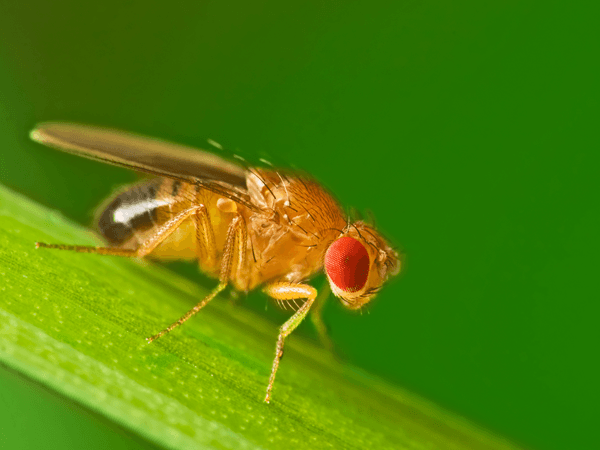
Quick Identification
- Size: About 1/8 inch (smaller than house flies, larger than fungus gnats)
- Color: Tan to light brown body; distinctive bright red eyes (in many species)
- Distinguishing features: Slow flight; hovers around food and surfaces; lands frequently
- Behavior: Hovers around overripe fruit, drains, and damp organic matter; doesn't bite
Where Fruit Flies Actually Come From
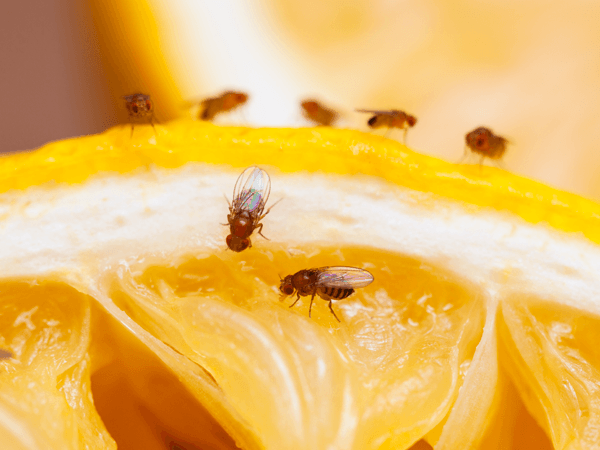
Fruit on the counter is the obvious source, but it’s often not the main one. Fruit flies breed in any moist organic material:
- Kitchen drains and garbage disposals with food buildup
- Recycling bins with beer, wine, or juice residue
- Trash cans, especially under sinks
- Mop heads and damp cleaning rags left out
- Potted plant soil that stays wet
- Slime layers inside drains (like a drain fly source)
- Forgotten produce in pantries, cabinets, or refrigerator vegetable drawers
- Sponges, dishrags, and the gunk in soap dispenser trays
- Beer/wine glasses or bottles in recycling
- Pet water bowls with residue buildup
Females lay up to 500 eggs over their lifespan. Egg-to-adult takes about a week. This is why a small fruit fly problem becomes a swarm in days.
Why They Matter
Phorid flies breed in moist, decaying organic matter, often in hidden locations:
- Sanitation concern: Fruit flies pick up bacteria from organic decay and transfer it to surfaces
- Rapid reproduction: Populations can grow from a few to hundreds within a week
- Persistent problem: Without finding the real source, infestations recur even after surface cleaning
- Restaurant and food service concerns: Fruit flies in commercial kitchens can trigger health code issues
- Quality-of-life: Hovering flies around food and dining areas are unpleasant even though they're harmless
Signs of an Infestation
- Multiple tan flies hovering near fruit bowls, garbage, or sinks
- Flies emerging from drains when water runs
- Flies aggregating around recycling and trash areas
- Persistent activity even after fruit is removed (indicates non-fruit source)
- Sudden increase after produce shopping or beverage consumption
Healthy Home’s protection plans cover all fire ant species under one service.
How Healthy Home Treats Fruit Flies
Fruit fly elimination requires finding and addressing the real source. Healthy Home covers fruit flies under every protection plan.
Treatment includes:
- Inspection to identify breeding sources beyond the obvious
- Drain treatment with bio-foam or appropriate products that break down organic buildup inside drains
- Targeted application in resting areas (window frames, ceilings, light fixtures)
- Sanitation guidance for the homeowner on the specific sources we identify
- Follow-up to confirm elimination, since fruit fly infestations sometimes have multiple sources
How to Prevent Fruit Flies
- Refrigerate ripe fruit instead of leaving it on the counter
- Rinse cans, bottles, and recyclables before putting them in the bin
- Empty kitchen trash daily; keep lids closed
- Run hot water down drains regularly; clean drain stoppers and disposal blades
- Replace sponges and dishrags weekly; don't leave damp cleaning supplies sitting out
- Empty and clean recycling bins regularly
- Avoid overwatering houseplants
- Use vinegar traps as a monitoring tool, but not the only control method
Covered Under:
- Home + Yard Protection ($935/year)
- Home + Mosquito Protection ($1,250/year)
- Ultimate Protection Plan ($1,545/year)
- Essential Home Protection (does not include yard treatment)
Frequently Asked Questions
Fruit flies breed in many places besides visible fruit: kitchen drains with food buildup, recycling bins with beverage residue, dirty mop heads, slow drains, garbage disposals, potted plant soil, beer or wine residue, and even the slime in pet water bowls. The fruit bowl is often not the actual source.
They often arrive on produce from the store or recycling and trash. They can also enter through window screens. Once inside, they breed rapidly in any organic residue, so a small initial population can grow to a large size within a week.
Yes, under every protection plan. Treatment combines source identification (often drains), drain treatment when needed, and adult fly knockdown.
They catch adult fruit flies but don’t eliminate the source. Vinegar traps are useful for monitoring whether you still have a problem, but they won’t solve an active infestation on their own. You have to find and address the breeding source.
Almost always because the real source hasn’t been found. The most common hidden sources are kitchen drains, garbage disposals, and recycling bins. Cleaning visible surfaces doesn’t address slime layers deep in drains or residue in recycling areas.