

Drain Flies in Coastal Southeastern North Carolina
Drain flies are the small, fuzzy, gray flies that show up around bathroom sinks, shower drains, basement floor drains, and occasionally kitchen sinks. They’re sometimes called moth flies because their wings look fuzzy and they hold them roof-style over their bodies like tiny moths. They’re harmless but persistent, and they almost always indicate a drain that needs attention.
The key to drain fly control is understanding where they breed: not in the water, but in the gelatinous slime layer that builds up on the inside walls of pipes. Most drain cleaning products don’t touch this slime, which is why drain flies keep returning.
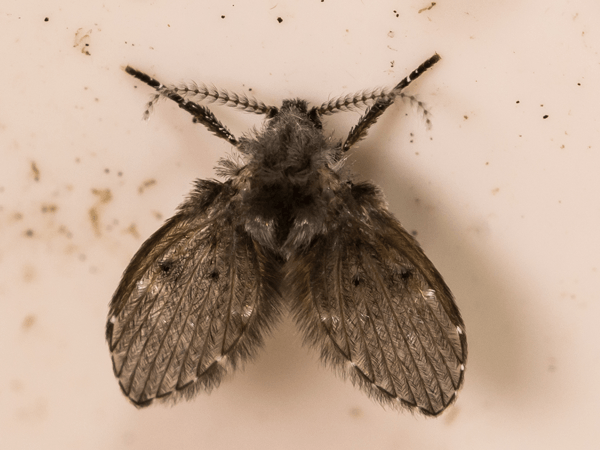
Quick Identification
- Size: About 1/8 inch
- Color: Dark gray to nearly black; wings appear fuzzy and lighter colored
- Distinguishing features: Wings held over body like a tiny moth; fuzzy appearance; weak flight (often appear to hop rather than fly)
- Behavior: Rests on walls and ceilings near drains; doesn't bite; clumsy, short flights
Where Drain Flies Actually Come From
Drain flies breed in a very specific environment: the slime layer (called bio-film) that coats the inside of drainpipes.
- Bathroom sink and shower drains, especially in rarely used bathrooms
- Basement and utility floor drains
- Kitchen drains with food buildup
- Sump pumps and condensate drains
- Garbage disposal interiors
- Outdoor area drains and downspout drains with stagnant water
The slime is composed of organic material (hair, soap scum, food residue, and biological waste) that accumulates over time. Larvae feed on this slime, then emerge as adults. A single small drain can produce hundreds of flies per week.
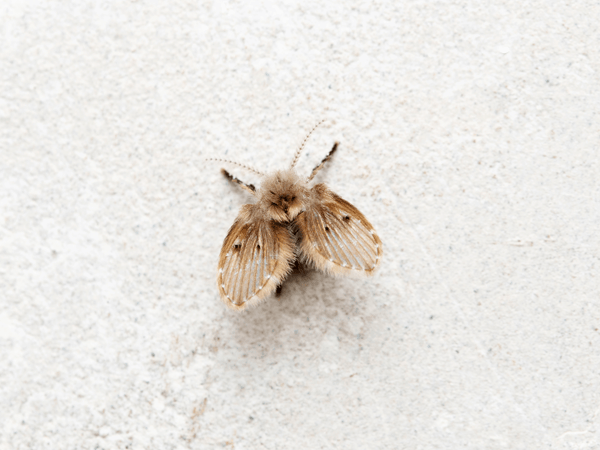
The Tape Test: Finding Which Drain Is the Source
Not sure which drain is producing the flies? Try this:
- At bedtime, tape a piece of clear tape (sticky side down) loosely over each suspect drain
- Leave a small portion open so flies can emerge through it
- Check the tape in the morning
- Drains with flies stuck to the tape are active sources
This identifies the specific drain that needs treatment without guesswork.
Signs of an Infestation
- Small fuzzy gray flies resting on walls or ceilings near drains
- Flies emerging from drains when water runs or when you shine a flashlight in
- Flies concentrated in one bathroom or area (suggests one specific drain source)
- Persistent infestations even after surface cleaning
- Activity that spikes after vacation when drains haven't been used
Why They Matter
- Persistence: Drain fly infestations can continue for months without proper drain treatment
- Multiplication: A single untreated drain produces continuous new generations
- Sanitation indicator: Their presence indicates organic buildup in drains, which can also cause odor and slow drainage
- Harmless but unpleasant: They don't bite or carry significant disease, but visible flies in bathrooms are unsanitary
- Misdiagnosis: Often confused with fruit flies; the wrong treatment doesn't work
Why DIY Methods Often Fail
Common DIY approaches miss the source:
- Boiling water: Flows through too fast to penetrate the slime
- Bleach: Quickly diluted; doesn't coat pipe walls long enough to break down bio-film
- Commercial drain cleaners: Designed to clear clogs, not eliminate slime films
- Plunging: Doesn't address slime
Professional treatment uses bio-foam products that expand inside the pipe and cling to pipe walls long enough to digest the bio-film where larvae live.

How Healthy Home Treats Drain Flies
Drain fly elimination requires treating the source pipe directly. Healthy Home covers drain flies under every protection plan.
- Inspection to identify the specific source drain(s)
- Bio-foam treatment applied directly into the source drain; foam expands to coat pipe walls and digests the bio-film
- Adult fly knockdown with targeted application in resting areas
- Drainage and slope assessment for problem drains
- Quarterly maintenance to keep drains from rebuilding slime layers
How to Prevent Drain Flies
- Run water in rarely used drains weekly (guest bathrooms, basement drains)
- Clean drain stoppers and shower drains regularly to remove hair and soap scum
- Use a bottle brush or drain snake to scrub the inside of accessible drainpipes monthly
- Don't pour fats, oils, or grease down kitchen drains
- Pour an enzyme-based drain maintainer down drains monthly (these break down bio-film over time)
- Address slow drains promptly; standing water in pipes accelerates slime buildup
Covered Under:
- Home + Yard Protection ($935/year)
- Home + Mosquito Protection ($1,250/year)
- Ultimate Protection Plan ($1,545/year)
- Essential Home Protection (does not include yard treatment)
Frequently Asked Questions
Almost certainly drain flies (also called moth flies). They breed in the gelatinous slime layer inside drainpipes, especially in sinks, showers, and tubs that aren’t used regularly. They’re harmless but persistent.
Not effectively. Boiling water flows through drains too quickly to penetrate the slime layer where eggs and larvae live. Effective treatment requires breaking down the slime itself, usually with a bio-foam drain treatment that coats the pipe walls.
Yes, under every protection plan. Treatment includes drain inspection, bio-foam application to break down the slime, and adult fly knockdown.
Adult flies die within hours of treatment. New flies stop emerging within 7 to 14 days once the bio-foam has digested the slime where larvae were developing. Quarterly maintenance prevents new slime buildup.
Sometimes. Septic systems with venting issues can produce drain flies that emerge through fixtures connected to the system. If standard drain treatment doesn’t resolve the issue, the next step is to inspect the septic venting and the pipes between fixtures and the tank.