

American Dog Ticks in Coastal Southeastern North Carolina
American Dog Ticks are the most common tick in coastal NC and the species most likely to bite humans and pets in our region. They’re also the primary vector for Rocky Mountain Spotted Fever, a serious illness that requires prompt medical treatment. Despite the name, they don’t only target dogs; adults readily bite humans, deer, livestock, and other mammals.
Tick season in coastal NC runs essentially year-round due to our mild winters, but activity peaks from April through September. If you spend time outdoors with your dog or children, knowing this species and how to remove them is essential.
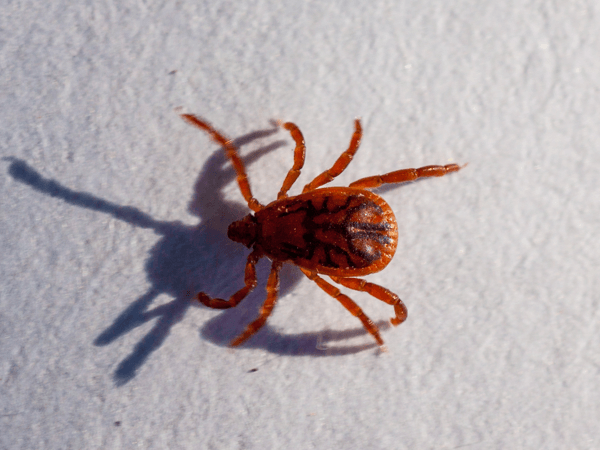
Quick Identification
- Size: Unfed adults about 1/8 to 1/4 inch; engorged females can swell to 1/2 inch or larger
- Color: Reddish-brown body with distinctive white or silver markings on the back
- Distinguishing features: Marble-like white pattern on the shield (scutum); larger and more heavily marked than other ticks in coastal NC
- Behavior: Quests on tall grass tips waiting for hosts to brush by; doesn't drop from trees (a common myth)
Where You Find Them in Coastal NC
- Tall grass and weedy areas in yards
- Yard edges where lawn meets woods, fields, or brush
- Along walking and pet trails
- Roadside vegetation and ditches
- Pastures and recreational fields
- Around dog kennels, runs, and outdoor pet areas
They prefer sunny, grassy areas with moderate humidity. Deeply shaded woods have fewer American Dog Ticks (those habitats favor Blacklegged Ticks instead).
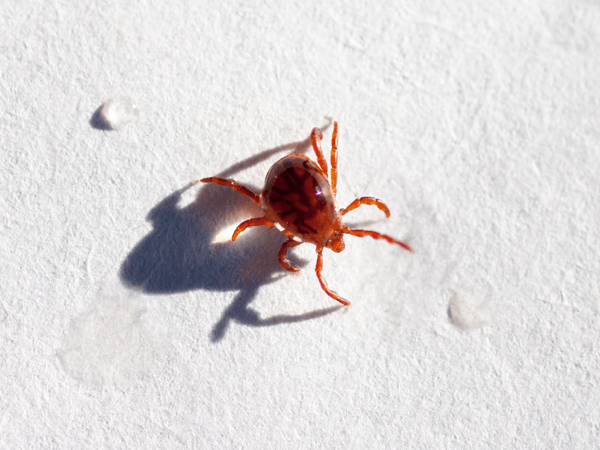
How They Find You
American Dog Ticks don’t jump, fly, or drop from trees. They climb to the tips of grass blades and weeds and extend their front legs (called questing), waiting for a warm-blooded host to brush past. When you or your dog touches the grass, the tick latches on and starts looking for a place to attach.
Once attached, they feed for several days, gradually swelling in size before dropping off to molt or lay eggs. The longer they stay attached, the higher the risk of disease transmission.
Diseases They Transmit
- Rocky Mountain Spotted Fever (RMSF): Most significant disease; can be severe or fatal without treatment. Despite the name, NC has more RMSF cases than most western states.
- Tularemia: Less common but serious; flu-like symptoms
- Tick paralysis: Rare; caused by toxins in the saliva of attached female ticks; resolves when the tick is removed
Most tick bites don’t transmit disease, but anyone with fever, headache, rash, or muscle aches within 2 weeks of a bite should seek medical attention and mention the tick exposure. Early treatment with doxycycline for RMSF is highly effective.
How to Safely Remove a Tick
- Use fine-tipped tweezers, not your fingers
- Grasp the tick as close to the skin as possible, at the head
- Pull straight up with steady, even pressure
- Don't twist, jerk, or crush the body (this can leave mouthparts behind and increase disease risk)
- Don't use heat, matches, petroleum jelly, nail polish, or other folk remedies
- Clean the bite area with soap and water or rubbing alcohol after removal
- Save the tick in a sealed bag or container in case medical identification is needed
- Watch for fever, rash, or other symptoms for 2 weeks after the bite
How Healthy Home Treats Ticks
Tick control is yard-focused. Healthy Home covers ticks under any plan that includes yard treatment.
- Inspection to identify tick-active areas (tall grass, yard edges, pet areas)
- Targeted yard treatment with appropriate products on grass, brush edges, and harborage areas
- Perimeter treatment where the lawn meets the woods or the unmaintained areas
- Quarterly maintenance during peak tick season
- Landscape recommendations to reduce tick habitat (mowing, trimming, debris removal)
How to Prevent Tick Bites
- Keep grass mowed short, especially along yard edges and walking paths
- Trim back brush, weeds, and tall vegetation at lawn borders
- Create a 3-foot wide gravel or mulch barrier between the lawn and the wooded areas
- Wear long pants tucked into socks when walking in tall grass or wooded areas
- Apply DEET, picaridin, or permethrin-treated clothing for outdoor activities
- Check yourself, kids, and pets for ticks after time outdoors
- Shower within 2 hours of coming inside; this washes off unattached ticks
- Use tick prevention on pets year-round (talk to your vet)
- Schedule quarterly yard treatment during peak tick season
Covered Under:
- Home + Yard Protection ($935/year)
- Home + Mosquito Protection ($1,250/year)
- Ultimate Protection Plan ($1,545/year)
- Essential Home Protection (does not include yard treatment)
Frequently Asked Questions
American Dog Ticks are the primary vector for Rocky Mountain Spotted Fever in coastal NC. They can also transmit tularemia and ehrlichiosis. Most bites don’t transmit disease, but anyone with fever, headache, or rash within 2 weeks of a tick bite should seek medical care.
Use fine-tipped tweezers. Grasp the tick as close to the skin as possible. Pull straight up with steady pressure. Don’t twist, jerk, or use heat or chemicals. After removal, clean the bite area with soap and water. Save the tick in a sealed bag in case medical identification is needed later.
Yes, under Home + Yard, Home + Mosquito, and Ultimate Protection Plans. Yard treatment significantly reduces tick populations by targeting tall grass, brush edges, and other tick habitat.
It varies by disease. Rocky Mountain Spotted Fever can be transmitted within several hours of attachment. Lyme disease typically requires 24 to 48 hours. The best policy is to remove ticks as soon as you find them.
No. This is a persistent myth. Ticks climb to the tips of grass and low vegetation and wait for hosts to brush past. They don’t climb high or fall from trees. If you find a tick on your scalp or upper body, it climbed up from your lower body after attaching.