

Click Beetles in Coastal Southeastern North Carolina
Click beetles are named for the distinctive snapping sound they make when flipping themselves upright after landing on their backs. They’re mostly a nuisance pest and rarely cause real problems indoors. Most homeowners encounter them when they fly inside through open doors at night.
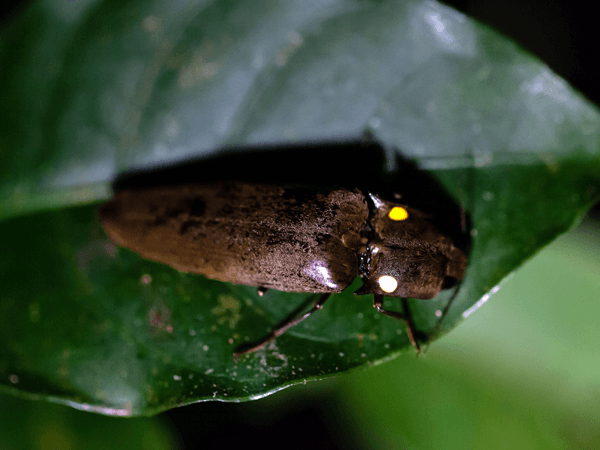
How to Identify Click Beetles
- Size: 1/4 to 1 inch
- Color: Brown to black, sometimes with patterns or metallic tints
- Body: Elongated and somewhat flattened
- Behavior: When placed on their back, they snap a hinged spine against their body and launch upright, making a loud click
- Activity: Attracted to lights, often active at night
The clicking behavior is unique. No other beetle group does this.
What They Eat
Adult click beetles eat nectar, pollen, and small soft-bodied insects. They’re not pests of food or structures. The larvae (wireworms) live in soil and feed on plant roots, which can damage gardens and crops but isn’t a home pest concern.
How to Tell Black from Red Imported
Some description text for this item
The two species look similar at a glance, behave identically, and sting just as painfully.
The reliable identifier is color:
| Feature | Red Imported | Black | Hybrid |
|---|---|---|---|
| Color | Reddish-brown head/thorax, darker abdomen | Uniformly dark brown to black | Intermediate, variable |
| Range in coastal NC | Dominant species | Extremely rare | Extremely rare |
| Mound appearance | Dome-shaped, loose soil | Same dome shape | Same dome shape |
| Sting | Severe, painful | Severe, painful (identical) | Severe, painful (identical) |
| Treatment approach | Bait + direct mound treatment | Same as RIFA | Same as RIFA |
If you’re in coastal NC and have fire ants, the simplest explanation is correct: they are Red Imported.
Visit the Red Imported Fire Ant page for full identification details, sting information, and treatment specifics.
How Healthy Home Handles Click Beetles
Click beetles are covered under all four annual protection plans. Standard exterior perimeter treatment and entry-point sealing handle most click beetle issues. Aggressive treatment is rarely necessary because they’re a low-impact pest.
Covered Under:
- Home + Yard Protection ($935/year)
- Home + Mosquito Protection ($1,250/year)
- Ultimate Protection Plan ($1,545/year)
- Essential Home Protection (does not include yard treatment)
Frequently Asked Questions
Click beetles have a hinged spine on their underside that they snap against their body to flip themselves over when stuck on their back. The motion makes an audible clicking sound and can launch the beetle several inches into the air. It’s both a recovery mechanism and a startle defense against predators.
Adult click beetles are generally harmless to homes and people. They don’t bite, sting, infest food, or damage structures. They’re mostly a nuisance pest when they wander indoors. Click beetle larvae, called wireworms, can damage plant roots in gardens but aren’t a household pest concern.
Click beetles are attracted to lights and often fly into homes through open windows and doors at night. They can also enter through gaps in screens, weather stripping, and other small openings. Once inside, they typically wander until they die. They don’t establish indoor populations.