

Drugstore Beetles in Coastal Southeastern North Carolina
Drugstore beetles are small reddish-brown beetles that infest stored foods, spices, dried herbs, pet food, and even books and dried flowers. They’re one of the most omnivorous stored product pests, eating things other pantry beetles avoid. Once established in a pantry, they spread between food items quickly.
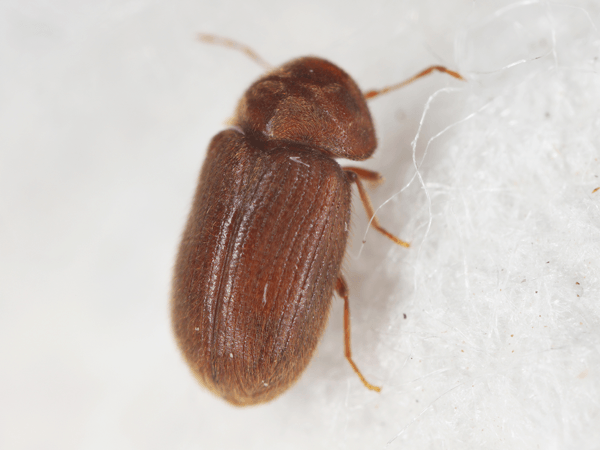
How to Identify Drugstore Beetles
- Size: 1/8 inch (small)
- Color: Uniform reddish-brown
- Shape: Cylindrical body, hooded head
- Wings: Adults can fly short distances
- Behavior: Active in pantries and storage areas
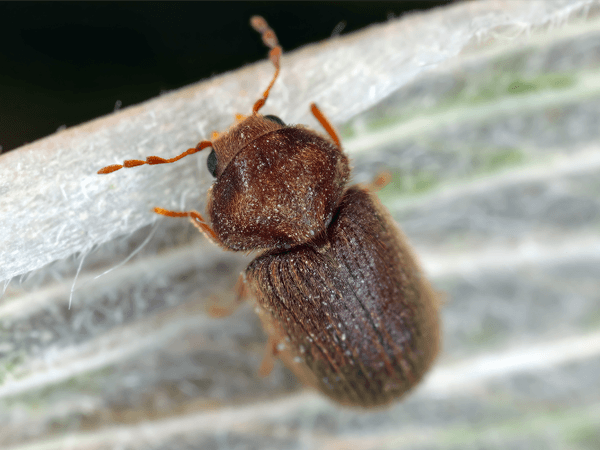
The smooth cylindrical shape and uniform reddish-brown color distinguish them from cigarette beetles, which have a humped back and pubescent (fuzzy) appearance.
What They Infest
Drugstore beetles eat an unusually wide variety of items:
- Flour, cereal, pasta, rice
- Dried herbs, spices, and tea
- Pet food and bird seed
- Dried fruits and nuts
- Chocolate and candy
- Potpourri and dried flowers
- Leather and leather goods
- Books, especially old books with starch-based bindings
- Dried plant specimens and herbarium collections
Their broad diet makes them difficult to eliminate by simply discarding the obvious infested item, because they’re often in multiple locations.
How to Tell Black from Red Imported
Some description text for this item
The two species look similar at a glance, behave identically, and sting just as painfully.
The reliable identifier is color:
| Feature | Red Imported | Black | Hybrid |
|---|---|---|---|
| Color | Reddish-brown head/thorax, darker abdomen | Uniformly dark brown to black | Intermediate, variable |
| Range in coastal NC | Dominant species | Extremely rare | Extremely rare |
| Mound appearance | Dome-shaped, loose soil | Same dome shape | Same dome shape |
| Sting | Severe, painful | Severe, painful (identical) | Severe, painful (identical) |
| Treatment approach | Bait + direct mound treatment | Same as RIFA | Same as RIFA |
If you’re in coastal NC and have fire ants, the simplest explanation is correct: they are Red Imported.
Visit the Red Imported Fire Ant page for full identification details, sting information, and treatment specifics.
How Healthy Home Treats Drugstore Beetles
Drugstore beetles are covered under all four annual protection plans. Treatment combines:
- Inspection to identify infested items and harborage points
- Recommendations for discarding infested items and cleaning storage areas
- Residual treatment in cracks and crevices of pantries
- Recommendations for airtight food storage
- Quarterly follow-up
Long-term prevention requires storing dry goods in sealed glass or hard plastic containers. Drugstore beetles can chew through cardboard, paper packaging, and thin plastic.
Covered Under:
- Home + Yard Protection ($935/year)
- Home + Mosquito Protection ($1,250/year)
- Ultimate Protection Plan ($1,545/year)
- Essential Home Protection (does not include yard treatment)
Frequently Asked Questions
They earned the name historically because they were notorious for infesting dried herbs and medicinal plants in pharmacies and apothecaries. They eat an unusually wide range of dried plant materials, including ingredients that other pantry pests avoid. The name persists even though the infestation locations have shifted from drugstores to home pantries.
Drugstore beetles eat an exceptionally wide variety of dried plant materials including spices, flour, pasta, cereal, dried fruit, pet food, dried flowers, potpourri, herbal teas, tobacco, leather, and even books and dried plant collections. They’re one of the most omnivorous stored product pests.
Effective elimination requires finding and discarding all infested food items, vacuuming pantry shelves thoroughly, and storing replacement items in airtight glass or hard plastic containers. Professional treatment focuses on residual application in pantry corners and crack-and-crevice locations where eggs may have been laid. Drugstore beetles are covered under all Healthy Home protection plans.