

American Cockroaches in Coastal Southeastern North Carolina
The American cockroach is the large roach most coastal NC residents encounter at some point. Also called the palmetto bug or water bug, it’s the biggest common cockroach in the area, reaching 1.5 inches or more as an adult. Despite the name, this species isn’t native to North America. It arrived from Africa centuries ago.
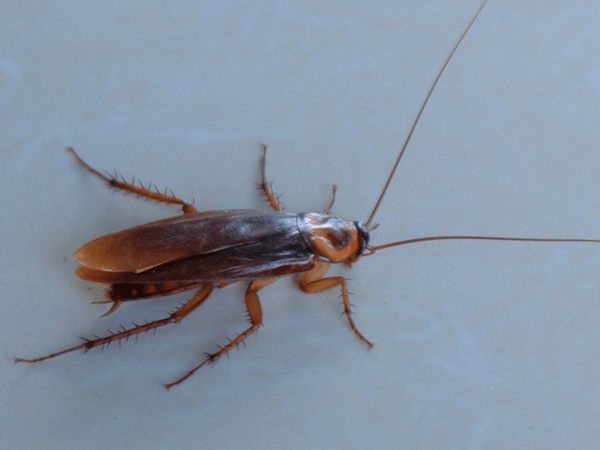
How to Identify American Cockroaches
- Size: 1.5 to 2 inches as adults (the largest common roach)
- Color: Reddish-brown with a yellow figure-eight pattern behind the head
- Wings: Both sexes have wings; can fly short distances
- Behavior: Active at night, runs quickly when disturbed
- Habital preference: Warm, damp areas
Where American Cockroaches Live
American cockroaches typically live outdoors and wander inside opportunistically. Common outdoor habitats include:
- Storm drains and sewers
- Mulch beds and woodpiles
- Garbage areas and dumpsters
- Around foundations, especially with moisture
- Crawl spaces with high humidity
- Tree cavities and palm trees
Indoors, they prefer:
- Basements and crawl spaces
- Around water heaters and furnaces
- Bathrooms (especially around plumbing)
- Kitchens with moisture issues
- Garages
How to Tell Black from Red Imported
Some description text for this item
The two species look similar at a glance, behave identically, and sting just as painfully.
The reliable identifier is color:
| Feature | Red Imported | Black | Hybrid |
|---|---|---|---|
| Color | Reddish-brown head/thorax, darker abdomen | Uniformly dark brown to black | Intermediate, variable |
| Range in coastal NC | Dominant species | Extremely rare | Extremely rare |
| Mound appearance | Dome-shaped, loose soil | Same dome shape | Same dome shape |
| Sting | Severe, painful | Severe, painful (identical) | Severe, painful (identical) |
| Treatment approach | Bait + direct mound treatment | Same as RIFA | Same as RIFA |
If you’re in coastal NC and have fire ants, the simplest explanation is correct: they are Red Imported.
Visit the Red Imported Fire Ant page for full identification details, sting information, and treatment specifics.
Are They Dangerous?
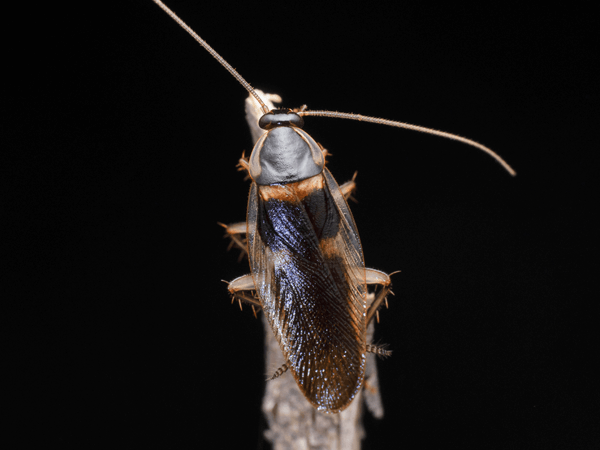
American cockroaches are not aggressive toward humans but pose health concerns:
- Contaminate food surfaces with bacteria
- Carry pathogens including Salmonella and E. coli
- Trigger allergies and asthma in sensitive individuals
- Their shed skins and droppings are common allergens
They’re not as significant an allergy trigger as German cockroaches, but the health concerns are real.
How Healthy Home Treats American Cockroaches
American cockroaches are covered under all four annual protection plans. Treatment combines:
- Exterior perimeter treatment to stop them before they enter
- Interior treatment of entry points and harborage areas
- Treatment of garages, crawl spaces, and basement areas
- Recommendations for moisture reduction
- Quarterly follow-up
Covered Under:
- Home + Yard Protection ($935/year)
- Home + Mosquito Protection ($1,250/year)
- Ultimate Protection Plan ($1,545/year)
- Essential Home Protection (does not include yard treatment)
Frequently Asked Questions
Yes. Palmetto bug is a regional Southern term for the American cockroach (Periplaneta americana). In coastal NC, palmetto bug, water bug, and American cockroach all typically refer to the same species, a large reddish-brown roach commonly found in warm humid areas.
Yes, American cockroaches can fly, though they typically prefer to run. Adults have fully developed wings and use them most often to glide down from elevated positions. Seeing one fly across a room is alarming but not dangerous.
American cockroaches typically live outdoors in warm, damp areas like sewers, storm drains, mulch beds, and around foundations. They come indoors looking for food, water, and shelter, especially during weather extremes. Coastal NC’s warm humid climate is ideal for them year-round.