

Lone Star Ticks in Coastal Southeastern North Carolina
Lone Star Ticks are the aggressive ticks that pursue you. Most tick species sit and wait for a host to brush by; Lone Stars detect hosts and actively crawl toward them. Add in their high population density across coastal NC, their distinctive single white dot on females, and their role in causing alpha-gal syndrome (the famous ‘red meat allergy’), and they’re one of the most consequential tick species in our region.
If you’ve ever come back from a hike or yard work with dozens of tiny ticks at once, those were almost certainly seed ticks – Lone Star Tick larvae, which hatch in clusters and swarm onto passing hosts. This single species accounts for most tick bites in coastal NC.
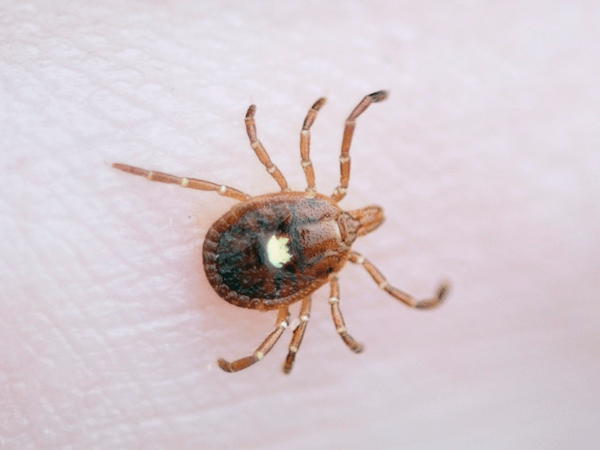
Quick Identification
- Size: Unfed adults about 1/8 inch; engorged females up to 1/2 inch
- Color: Reddish-brown body
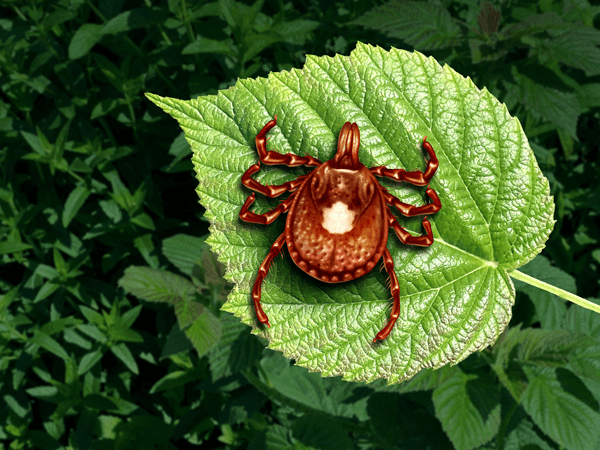
- Distinguishing features: Females have a single distinctive white dot in the center of her back (the 'lone star'); males have faint white markings around the body edge
- Behavior: Aggressive; actively crawls toward hosts; doesn't wait passively like other ticks
The Three Life Stages
All ticks have larva, nymph, and adult stages, but Lone Star Ticks are especially notable for each:
- Larvae (seed ticks): Hatch in clusters of hundreds to thousands; about the size of a poppy seed; often bite humans in groups
- Nymphs: Larger but still small (1/16 inch); about the size of a pinhead; common biters of humans
- Adults: Full-sized; female easily identified by the white dot
All three stages bite humans, which is unusual. Most other ticks primarily bite humans only as adults.
Where You Find Them in Coastal NC
- Wooded areas with dense undergrowth
- Yard edges where lawn meets brush or woods
- Along wildlife paths
- Tall grass and weedy meadow areas
- Anywhere deer are present (deer are primary hosts)
- Recreational areas, hunting land, and trails
Lone Star Ticks thrive in coastal NC’s mixed forest and field habitat. They’ve expanded their range significantly in recent decades and are now the dominant tick species in many southeastern counties.
Alpha-Gal Syndrome: The Red Meat Allergy
This is the most distinctive thing about Lone Star Tick bites. The tick saliva contains a sugar molecule called alpha-gal (galactose-alpha-1,3-galactose). For some people, exposure to alpha-gal via tick saliva triggers an immune response that leads to an allergy to alpha-gal in food.
What this means:
- Bitten people develop sensitization to alpha-gal
- Future consumption of red meat (beef, pork, lamb, venison) causes an allergic reaction
- Reactions are delayed: 3 to 6 hours after eating red meat (unusual for food allergies)
- Reactions can be severe: hives, gastrointestinal symptoms, anaphylaxis
- Other animal-derived products (gelatin, dairy for some patients) may also trigger reactions
- The allergy can persist for years; some people lose sensitivity over time, others don't
Coastal NC has a higher prevalence of alpha-gal syndrome than most U.S. regions. Anyone who develops unexplained allergic reactions after eating red meat should mention Lone Star Tick exposure to their doctor.
Other Diseases They Transmit
- Ehrlichiosis: Bacterial infection causing fever, headache, muscle aches; treatable with doxycycline
- Tularemia: Less common; flu-like illness
- STARI: Southern Tick-Associated Rash Illness; produces a Lyme-like rash but without long-term complications of Lyme disease
- Heartland virus: Rare but serious viral infection
How to Safely Remove a Tick
- Use fine-tipped tweezers
- Grasp the tick as close to the skin as possible
- Pull straight up with steady pressure
- Don't twist, jerk, or burn the tick
- Clean the bite area with soap and water
- Save the tick in case identification is needed
- Watch for symptoms (fever, rash, joint pain, allergic reactions) for several weeks
For seed tick swarms (many tiny ticks at once), a hot shower with thorough soaping and gentle scraping with the back of a knife edge often removes them. Tape (like duct tape) pressed lightly to the skin can also lift unattached larvae.
How Healthy Home Treats Lone Star Ticks
Yard-focused tick treatment is essential because Lone Star Ticks live in vegetation outside the home. Healthy Home covers Lone Star Ticks under any plan that includes yard treatment.
- Inspection of tick-active areas (yard edges, wooded areas, walking paths, wildlife trails)
- Targeted yard treatment of grass, brush edges, and harborage areas
- Perimeter treatment between manicured lawn and wooded areas
- Wildlife exclusion guidance for properties with heavy deer activity
- Quarterly maintenance with intensified treatments during peak summer activity
How to Prevent Lone Star Tick Bites
- Keep grass mowed and yard edges trimmed
- Create barriers between lawn and wooded/brush areas (gravel, mulch, or kept-short grass)
- Wear long pants tucked into socks in tick habitat
- Apply DEET, picaridin, or permethrin-treated clothing
- Conduct thorough tick checks after time outdoors
- Shower within 2 hours of returning indoors
- Address deer attractants (don't feed deer; address bird seed spilling onto ground that attracts them)
- Year-round tick prevention for pets
Covered Under:
- Home + Yard Protection ($935/year)
- Home + Mosquito Protection ($1,250/year)
- Ultimate Protection Plan ($1,545/year)
- Essential Home Protection (does not include yard treatment)
Frequently Asked Questions
Yes. Lone Star tick bites can trigger alpha-gal syndrome, an immune response that causes allergic reactions to red meat (beef, pork, lamb) and sometimes other mammal products. Reactions typically occur 3 to 6 hours after eating red meat and can be severe. Once developed, the allergy can last for years.
Seed ticks are tick larvae, often referring to Lone Star Tick larvae that hatch in large groups. They’re tiny (poppy seed size) and can swarm onto a host all at once, producing dozens of bites simultaneously. Most seed tick events in coastal NC are caused by Lone Star Ticks.
Yes, under Home + Yard, Home + Mosquito, and Ultimate Protection Plans. Yard treatment targets the wooded edges, brush, and tall grass where Lone Star Ticks are most active.
Symptoms include hives, stomach pain, nausea, vomiting, or anaphylaxis occurring 3 to 6 hours after eating red meat. The delayed timing distinguishes it from most food allergies (which react within minutes). A blood test can confirm. See an allergist if you suspect alpha-gal syndrome.
Yes. They actively crawl toward hosts using carbon dioxide and heat sensing. Most other ticks (like American Dog and Blacklegged Ticks) wait passively on vegetation. This is why Lone Star encounters often involve multiple ticks at once.