

Clover Mites in Coastal Southeastern North Carolina
Clover mites are tiny, bright red mites that show up in massive numbers on sunny exterior walls in spring. They’re one of the most alarming-looking pest sightings in coastal NC: hundreds or thousands of red dots crawling across siding, around windows, and occasionally inside the house. The good news is they don’t bite, don’t carry disease, and don’t damage anything. The bad news is they’re hard to ignore, and crushing them leaves red smears that stain light-colored surfaces.
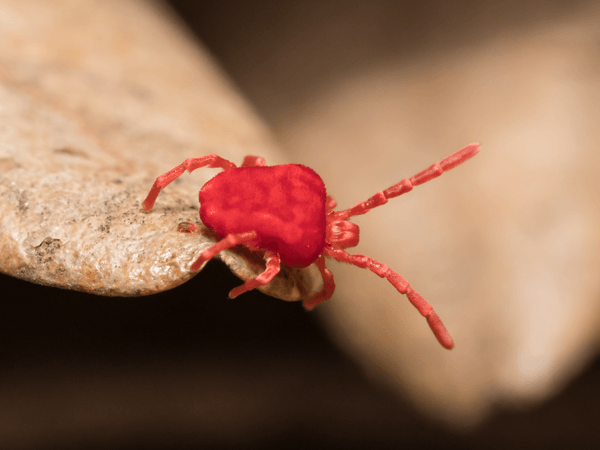
Quick Identification
- Size: About 1/30 inch (smaller than a pinhead; visible but tiny)
- Color: Bright red to reddish-brown
- Distinguishing features: Unusually long front legs (often mistaken for antennae); leaves red smears when crushed
- Where you see them: Sunny exterior walls, window frames, and occasionally inside on windowsills
Where You Find Them in Coastal NC
Clover mites are most active in spring and fall, with a strong preference for warm, sunny surfaces.
- South- and west-facing exterior walls in direct sun
- Around window frames, door frames, and foundation edges
- On stones, concrete patios, and brick veneer
- In well-fertilized lawns and dense ground cover (their food source)
- Indoor windowsills and sliding glass doors when they wander inside
Lawns treated with high-nitrogen fertilizer often see heavier clover mite populations because mites feed on the lush plant growth.
Why They Matter
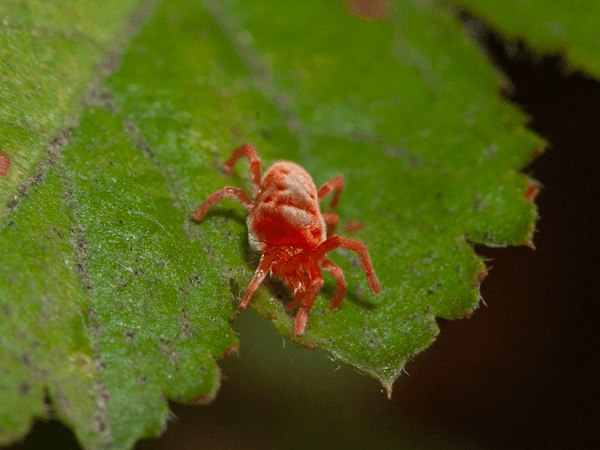
Clover mites don’t bite, don’t sting, don’t carry disease, and don’t damage structures. The concerns are aesthetic and emotional:
- Visual alarm: Seeing thousands of red dots on your house is unsettling for most homeowners
- Red staining: Crushed mites leave reddish smears on light-colored siding, curtains, carpet, and windowsills
- Indoor wandering: Mites that get inside congregate on windowsills and can spread to other surfaces
Signs of an Infestation
- Hundreds or thousands of tiny red dots moving across exterior walls in spring
- Red smears on siding, windowsills, or curtains where mites have been crushed
- Mites inside on windowsills, especially after the first warm spring days
- Activity concentrated on the sunniest side of the home
Healthy Home’s protection plans cover all fire ant species under one service.
How Healthy Home Treats Clover Mites
Clover mites are covered under every Healthy Home protection plan. Treatment focuses on perimeter applications around the foundation, sunny exterior walls, and window/door frames where mites enter. Quarterly service is enough to prevent the dramatic spring swarms that bring most calls.
How to Prevent Clover Mites
- Keep grass and ground cover trimmed back at least 18 inches from the foundation
- Avoid heavy nitrogen fertilization, which feeds the mites' food supply
- Seal cracks around window frames, door frames, and foundation edges
- Vacuum (don't crush) any mites that get inside to avoid red staining
Covered Under:
- Home + Yard Protection ($935/year)
- Home + Mosquito Protection ($1,250/year)
- Ultimate Protection Plan ($1,545/year)
- Essential Home Protection (does not include yard treatment)
Frequently Asked Questions
Almost certainly clover mites. They swarm sunny exterior walls and sometimes get inside through window seams. They don’t bite people or pets.
No. They feed on plant material, not blood. Completely harmless to people and pets.
They’re attracted to warm, sunny surfaces, so you’ll see them on the south- and west-facing walls. Shaded sides rarely have visible activity.
Yes, eventually. Clover mite swarms are seasonal and typically subside within a few weeks. But if you don’t want to wait, professional treatment along the perimeter ends the problem within days.
Yes. They’re covered under all protection plans. Quarterly perimeter treatment prevents the dramatic spring swarms that bring most homeowner calls.