

Mosquitoes in Coastal Southeastern North Carolina
Warm temperatures, high humidity, frequent rain, salt marshes, and standing water from tidal areas mean mosquitoes are active from April through late October. Any unprotected yard becomes a breeding ground.
You shouldn’t have to retreat indoors at sunset, and you shouldn’t have to choose between using your own backyard and avoiding mosquito-borne illness. This page covers the mosquito species active in the region, the diseases they carry, and the treatment options Healthy Home offers to make your yard usable again.
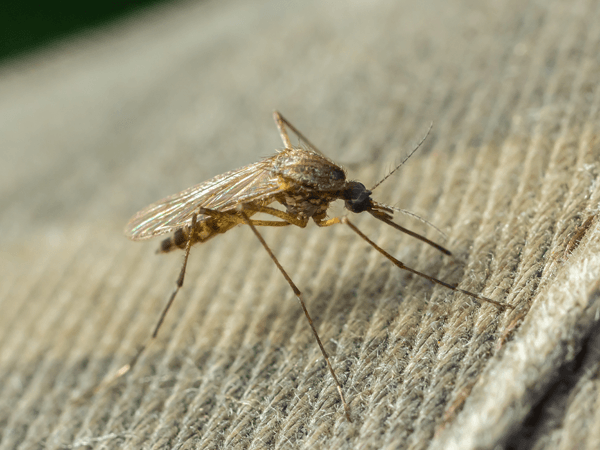
Skip ahead to:
- Mosquito species in coastal NC
- Disease risk
- Treatment options and pricing
- What you can do between treatments
Common Mosquito Species in Coastal NC {#species}
Several mosquito species are active in coastal southeastern North Carolina, each with different behavior, breeding habits, and disease risk.
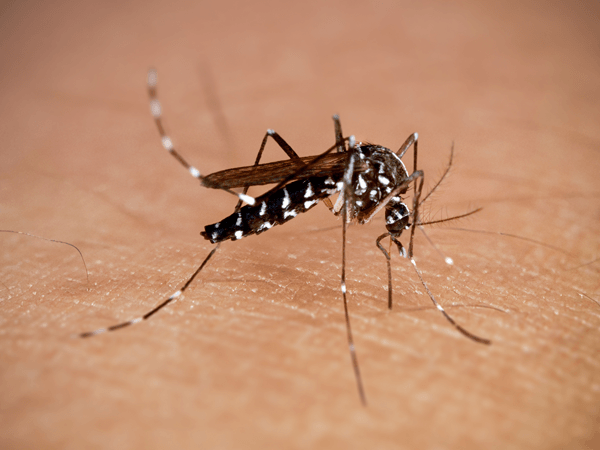
Asian Tiger Mosquito (Aedes albopictus)
- Appearance: Black body with distinctive white stripes on legs and body
- Activity: Day-biting, very aggressive
- Breeding: Day-biting, very aggressive
- Range: on pets or people after time in the yard
- Disease risk: Capable of transmitting Zika, dengue, chikungunya, and dog heartworm
This is the species most homeowners notice. Asian tigers actively pursue humans during daylight hours, which is unusual among mosquitoes (most species are dawn or dusk feeders). They’re persistent and often the reason yards become unusable in summer.
Common House Mosquito (Culex pipiens)
- Appearance: Brown, slender body, less distinctive than the Asian tiger
- Activity: Dusk and after dark
- Breeding: Standing water in containers, gutters, low-lying yard area
- Disease risk: Primary carrier of West Nile virus in the United States
The classic mosquito most people picture. Common indoors at night if windows are open, and the source of most evening mosquito bites in residential settings.
Salt Marsh Mosquito (Aedes sollicitans)
- Appearance: Larger than house mosquitoes, brown with banded legs
- Activity: Both day and dusk
- Breeding: Tidal salt marshes
- Range: Strong flier, can travel 5 to 10 miles from breeding sites
- Disease risk: Capable of transmitting Eastern Equine Encephalitis (EEE)
Salt marsh mosquitoes are why coastal NC yards can fill with mosquitoes after onshore winds or high tides. They breed in salt marshes that homeowners can’t control, then fly inland looking for blood meals.
Eastern Tree Hole Mosquito (Aedes triseriatus)
- Appearance: Dark with silver-white markings
- Activity: Day-biting in wooded areas
- Breeding: Water collected in tree cavities, rot holes, and artificial containers in shaded areas
- Disease risk: Primary carrier of La Crosse encephalitis
Less common in residential settings but present in wooded properties and yards with mature trees.
Mosquito-Borne Disease Risk {#disease}
Mosquitoes in coastal southeastern NC carry several confirmed diseases. Most cases are mild or asymptomatic, but the risk is real and well-documented.
Known Diseases in Coastal NC
West Nile Virus The most common mosquito-borne disease in the U.S. About 80% of infected people have no symptoms. Of those who develop symptoms, most experience flu-like illness, but about 1 in 150 cases develops severe neurological disease (meningitis or encephalitis). Coastal NC sees confirmed cases most years.
Eastern Equine Encephalitis (EEE) Rare but extremely serious. EEE has a fatality rate of around 30% in people who develop the neurological form of the disease. Survivors often have permanent neurological damage. Coastal NC has confirmed human and equine cases of EEE in most years, particularly in late summer.
La Crosse Encephalitis Most cases occur in children. Symptoms range from mild flu-like illness to severe neurological disease. Coastal NC is within the range, though cases are less common than in inland forested areas.
Dog Heartworm Transmitted to dogs through mosquito bites. Untreated heartworm is potentially fatal for pets. This is a year-round risk in coastal NC, which is why veterinarians recommend year-round heartworm prevention here rather than seasonal.
Other Risks Zika, dengue, and chikungunya are less common but possible, particularly through Asian tiger mosquito populations. Travel-related cases occasionally introduce these diseases into local mosquito populations.
Who's at Highest Risk
- Children and elderly are more susceptible to severe disease from West Nile and EEE
- People who spend significant time outdoors, especially at dawn and dusk
- Dog owners (heartworm prevention is essential)
- People with immunocompromising conditions
Mosquito control isn’t just about comfort. It’s a meaningful public health measure for households in coastal NC.
Covered Under:
- Home + Yard Protection ($935/year)
- Home + Mosquito Protection ($1,250/year)
- Ultimate Protection Plan ($1,545/year)
- Essential Home Protection (does not include yard treatment)
If fire ants are your primary concern and you don’t currently have a plan, the Home + Yard tier is the entry point. If you’re also dealing with mosquitoes (also a coastal NC summer problem), Home + Mosquito bundles both for less than buying them separately.
Treatment Options and Pricing {#treatment}
Healthy Home offers three approaches to mosquito control. Each fits a different need.
Option 1: Standard Spray Treatment
A residual barrier treatment applied to mosquito resting sites, including the undersides of leaves, dense landscaping, shaded areas, and harborage points where mosquitoes hide during the day. Kills on contact and provides approximately 3 weeks of residual protection.
Pricing:
- One-time treatment: $95
- Every 3 weeks during mosquito season (recommended): $85 per visit
This is the most common option for homeowners who want immediate, effective mosquito control during the active season.
Option 2: No-Spray Treatment
For homeowners who prefer not to use barrier sprays. Combines:
- Larvicide applied to standing water sources to stop mosquitoes before they emerge
- Habitat reduction recommendations specific to the property
- Growth regulator applications that interrupt the mosquito life cycle
Pricing:
- Monthly: $110
This option is well-suited for properties with significant pollinator activity, organic landscaping, or homeowners who prefer non-spray methods.
Option 3: Bundled in an Annual Protection Plan
Mosquito service is included at no extra cost in two of the four annual protection plans.
Plan | Annual Price | Mosquito Coverage |
Essential | $540 | Not included |
Home + Yard | $935 | Not included |
Home + Mosquito | $1,250 | ✓ Every 3 weeks during season |
Ultimate | $1,545 | ✓ Every 3 weeks during season |
The Ultimate plan also bundles fire ant treatment and full pest control coverage at the biggest combined savings.
What You Can Do Between Treatments {#diy}
Even with professional treatment, eliminating breeding sites in your yard makes a significant difference. Mosquitoes can breed in surprisingly small amounts of water, and any container holding water for more than a week is a potential breeding site.
Standing Water Checklist (weekly)
- Empty birdbaths and refill with fresh water
- Empty plant saucers under outdoor potted plants
- Empty kids' toys, kiddie pools, sandbox covers
- Check and empty any tarps, covers, or storage that holds water
- Empty pet water bowls left outdoors
- Empty any buckets, watering cans, or yard tools holding water
Maintenance (twice a year)
- Clean gutters thoroughly. Clogged gutters are major breeding sites.
- Check downspout extensions for low spots holding water
- Drill drainage holes in tire swings, large containers, and recycle bins
- Inspect rain barrels for proper screening (mosquitoes can breed in them otherwise)
Landscaping
- Trim back dense vegetation where mosquitoes rest during the day
- Treat ornamental ponds with mosquito-specific larvicide (safe for fish and wildlife)
- Avoid overwatering lawns and gardens, especially in shaded areas
- Fill in low spots in the yard that hold water after rain
These steps extend treatment effectiveness and reduce the mosquito population over time.
Frequently Asked Questions
Healthy Home Pest Control offers several mosquito treatment options. Standalone spray treatment is $95 for a one-time visit or $85 per visit every 3 weeks during mosquito season (the recommended schedule). The no-spray monthly treatment, which uses larvicide and habitat reduction, is $110 per month. Mosquito service is also included at no extra cost in the Home + Mosquito ($1,250/year) and Ultimate ($1,545/year) protection plans.
Standard mosquito barrier treatment lasts approximately 3 weeks under normal conditions. Heavy rain can shorten this duration by washing product off foliage. This is why the recommended schedule is every 3 weeks during peak mosquito season (April through October in coastal NC). Customers on the Home + Mosquito or Ultimate plan automatically receive treatment on this cycle.
Yes. The products used for residential mosquito treatment are registered for use around homes and pets. Once the application has dried (typically 30 minutes to an hour), the treated area is safe for re-entry. The products bind to foliage rather than off-gassing into the air, which is why kids and pets can return to the yard quickly after treatment.
Healthy Home’s mosquito treatments are applied specifically to mosquito resting sites, including the undersides of leaves, dense foliage, and shaded areas where mosquitoes hide during the day. Flowering plants where bees forage are avoided. Treatments are also timed when pollinators are less active. The no-spray monthly option is recommended for properties with significant pollinator activity, as it uses larvicide in standing water and habitat reduction instead of foliar spray.
Mosquito season in coastal southeastern North Carolina generally runs from April through October. Some years it starts in late March or extends into early November depending on weather. Asian tiger mosquitoes (the most aggressive day-biting species) often stay active later in the season than other species. Treatment is most effective when started early in the season before mosquito populations are fully established.
Yes. Mosquitoes in coastal North Carolina are confirmed carriers of West Nile virus, Eastern Equine Encephalitis (EEE), and La Crosse encephalitis. Mosquitoes also transmit dog heartworm, which is a major concern for pet owners. Local cases of EEE in coastal NC have been documented most years. The risk varies by species and location, but mosquito-borne illness is a real and ongoing public health concern in the region.
Eliminating standing water is the most effective DIY step. Empty birdbaths, plant saucers, kids’ toys, and any container that holds water at least weekly. Clean clogged gutters at least twice a year. Drill drainage holes in tire swings and large containers. Treat ornamental ponds with mosquito-specific larvicide that’s safe for fish. Trim back dense vegetation where mosquitoes rest during the day. Even small efforts here significantly extend the effectiveness of professional treatment.
Standard spray treatment uses a residual barrier applied to mosquito resting sites in landscaping and foliage. It kills on contact and provides about 3 weeks of residual protection. The no-spray treatment combines larvicide applied to standing water sources, habitat reduction recommendations, and growth-regulator applications. The no-spray option is well-suited for homeowners with significant pollinator activity, organic landscaping, or sensitivity to barrier sprays.
Your backyard should be the best room in your house. Mosquito service is already included if you’re on a Home + Mosquito or Ultimate plan.