

House Flies in Coastal Southeastern North Carolina
House flies are the gray ones that buzz around windows, land on food, and seem to multiply overnight. They’re more than a nuisance: they’re a sanitation problem. A single fly can land on dog waste, garbage, and your dinner plate within 30 minutes, transferring bacteria between them.
Coastal NC’s warm climate means house fly activity is essentially year-round. Heavy populations build fast in summer when outdoor breeding sites multiply with the heat and humidity.
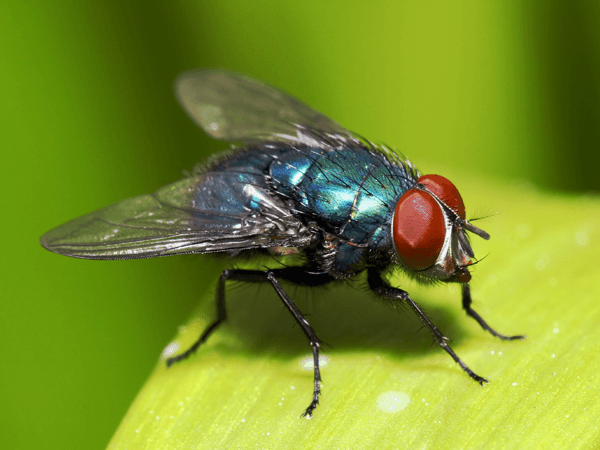
Quick Identification
- Size: About 1/4 inch
- Color: Dull gray with four dark stripes on the thorax; reddish eyes
- Distinguishing features: Sponging mouthparts (no bite); single pair of wings; quick erratic flight pattern
- Behavior: Rests on walls, ceilings, and surfaces; attracted to food, garbage, and warmth; aggregates near windows
Where House Flies Come From
House flies breed in decaying organic matter. Common sources around coastal NC homes:
- Outdoor trash bins (especially if lids don't seal well)
- Pet waste in yards
- Compost piles and bins
- Dirty dumpsters (especially commercial neighbors)
- Decaying mulch or vegetation
- Dead animals (rodents in walls, etc.)
- Indoor sources: forgotten food in pantries, garbage bins not regularly cleaned, drains with organic buildup
Adult flies lay eggs in these sources, and a single female can lay up to 500 eggs over her lifespan. From egg to adult takes about a week in warm weather, so populations can explode quickly.

Why They Matter
- Disease vectors: House flies carry over 100 different pathogens, including Salmonella, E. coli, and Shigella
- Food contamination: They regurgitate digestive fluids onto food before eating; this contaminates everything they land on
- Rapid reproduction: Egg to adult in 7 to 10 days in summer; populations explode without intervention
- Restaurant and food service concerns: Active fly populations can trigger health code violations
- Allergens: Fly droppings and carcasses contribute to indoor allergens
Signs of an Infestation
- Multiple flies indoors simultaneously
- Flies aggregating around windows and light fixtures
- Maggots or larvae near garbage, food spills, or outdoor waste
- Small dark specks (fly droppings) on light-colored walls, ceilings, or window frames
- Flies appearing in winter (suggests an indoor breeding source)
How Healthy Home Treats House Flies
Effective fly control requires source elimination plus active treatment. Spraying flies you see does almost nothing; the breeding source keeps producing new adults. Healthy Home covers house flies under every protection plan.
Treatment includes:
- Source inspection to identify breeding locations on the property
- Interior treatment of resting areas (window frames, light fixtures, ceilings)
- Exterior perimeter treatment around trash storage and other source areas
- Sanitation guidance to eliminate the breeding source
- Quarterly maintenance to prevent population rebuilds
How to Prevent House Flies
- Use trash cans with tight-sealing lids
- Clean trash bins regularly with hot soapy water
- Pick up pet waste daily
- Keep compost bins covered and located away from doors and windows
- Install window and door screens; repair tears promptly
- Use yellow bug-resistant outdoor lighting (regular lights attract flies)
- Address dead animal issues (rodents in walls) promptly to prevent fly population
- Keep kitchen drains clean to prevent indoor breeding
House Flies in Coastal Southeastern North Carolina
House flies do not need much time to become a big problem. They are one of the most familiar pests around homes and businesses, but familiar does not mean harmless or easy to control.
They reproduce quickly and are drawn to food waste, garbage, animal waste, decaying organic material, dumpsters, and drains, anywhere they can feed and breed.
If you keep seeing flies, killing the ones in front of you may buy a little relief, but it does not address why they keep showing up. Healthy Home looks for the source.
Why Am I Getting So Many Flies?
Fly activity increases when something nearby offers food, moisture, or breeding material. Common sources include:
- Garbage cans and dumpsters
- Pet waste and animal waste
- Food waste and outdoor grilling areas
- Compost and decaying organic material
- Dirty drains and moist areas
- Nearby commercial food operations
Warm coastal North Carolina weather can keep fly activity high for long stretches of the year.
Why House Flies Are More Than a Nuisance
House flies constantly move between unsanitary areas and places where people live, eat, and prepare food. That makes fly control important around kitchens, restaurants, outdoor dining spaces, trash areas, food preparation areas, patios, grilling areas, pet areas, and commercial entrances. A fly problem is rarely solved by spraying the flies you can see.
How Healthy Home Treats House Flies
We start by determining why the flies are there. That may mean inspecting garbage areas, drains, food sources, moisture, pet areas, and organic material, as well as other conditions that allow fly populations to grow. Treatment depends on what we find. The goal is to address the source, reduce the flies already present, and help prevent the conditions that let the population rebuild.
Are Flies Taking Over Your Outdoor Space?
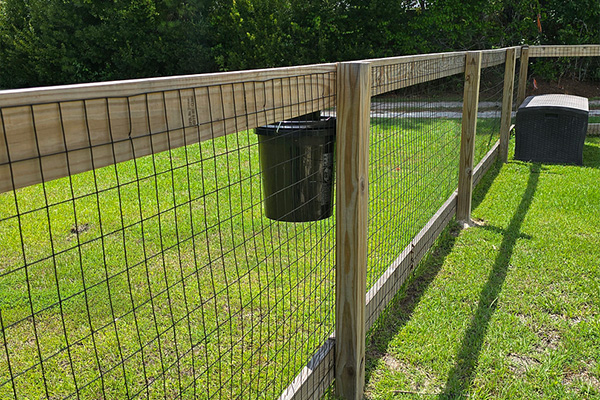
If flies keep gathering around your patio, deck, grill, pool, trash area, or outdoor dining space, standard indoor fly treatment may not be enough. Healthy Home Outdoor Fly Defense is a professionally managed monthly program built specifically to reduce outdoor activity. The system is designed to attract, trap, and bait flies, reduce fly pressure, and draw activity away from places people want to use. This is not a couple of smelly traps hung around the yard. We decide where the equipment should go, maintain it every month, monitor what is happening, and adjust the program as conditions change.
How Outdoor Fly Defense Works
- We look at where the flies come from. Your technician evaluates where fly pressure is highest, what may be drawing them in, and which outdoor spaces you want to protect.
- We place the system strategically. Fly attractants should not sit beside the table where you are eating. We locate traps and bait stations in designated treatment areas to divert activity away from patios, decks, dining areas, grilling areas, entrances, and pools.
- We service it every month. Fly conditions shift through the season, so this is a monthly program. We keep the equipment clean, replenish what is needed, inspect activity, and adjust over time.
What Is Included in Outdoor Fly Defense
-
Two Catchmaster Giant Fly Traps.
We install two large outdoor fly traps in strategic locations. Each one attracts flies in two ways: an internal fly lure and a fluorescent blue top that is visually attractive to flies. Unlike many store-bought outdoor traps, they do not carry the strong, unpleasant odor people associate with hanging fly bags. We clean and service the traps every month. -
Strategically placed fly bait stations.
We install FlyMaster bait stations with Alpine fly bait, set in selected treatment areas to draw flies toward the stations and away from the areas you want to use. - Monthly cleaning, maintenance, and inspection. During monthly service, we clean and service the traps, refresh attractants and bait as needed, inspect current fly activity, evaluate placement, and look for changing conditions that may be feeding the problem.
- Knockdown treatment when needed. If adult fly activity is especially high, we may also perform a knockdown spray during the monthly service to quickly reduce the existing adult population.
Outdoor Fly Defense for Homes
Get back to enjoying your patio, deck, and backyard. Outdoor Fly Defense can be used around patios, decks, grilling areas, outdoor kitchens, pools, play areas, pet areas, trash can storage areas, and backyard gathering spaces. The goal is not to turn your yard into a treatment zone. The goal is to reduce fly pressure where you spend your time.
Outdoor Fly Defense for Businesses
Keep fly activity away from customers and guests. For a business, flies are more than annoying, and they can shape how customers judge cleanliness and how guests experience your space. Outdoor Fly Defense can help around restaurant patios, outdoor dining areas, hotels, apartment and multifamily communities, pool areas, commercial entrances, employee break areas, service areas, trash and dumpster areas, and outdoor gathering spaces. Healthy Home manages the system, so your team does not have to.
Outdoor Fly Defense Pricing
Existing Healthy Home recurring pest control customers
$75 initial setup + $39 per month.
Already use Healthy Home for recurring pest control? Outdoor Fly Defense can be added to your current service.
Customers without recurring pest control
You do not need an existing recurring plan to use Outdoor Fly Defense.
Frequently Asked Questions About Outdoor Fly Control
No outdoor pest-control program can keep every fly out of an open area. The goal is to reduce fly pressure and draw activity away from the spaces people use.
Placement and ongoing management matter. Putting an attractant in the wrong place can bring fly activity closer to the patio, table, or entrance you are trying to protect. Healthy Home decides where traps and bait stations go, services them monthly, and adjusts the program as conditions change.
The Catchmaster Giant Fly Traps used in the program do not produce the strong, unpleasant odor associated with many common hanging fly traps.
Outdoor Fly Defense is serviced monthly. We clean and service the traps, refresh the attractant and bait when needed, inspect fly activity, and adjust as conditions change.
Yes. It is available to customers who do not currently have recurring pest control with Healthy Home.
Yes. Existing recurring pest-control customers pay $75 for setup and $39 per month. Customers without recurring service pay $125 for setup and $75 per month.
Yes. Healthy Home provides Outdoor Fly Defense for residential and commercial customers, including restaurants, hotels, multifamily communities, outdoor dining areas, employee areas, and trash areas.
Stop Giving Flies the Best Seat Outside
Your patio, deck, or outdoor dining area should be somewhere people want to spend time.
Let Healthy Home identify what is driving the fly activity and build a professionally managed system to help reduce it.
Frequently Asked Questions
House flies breed in decaying organic matter. Common sources include outdoor trash bins, compost piles, pet waste, dirty dumpsters, decaying mulch, and any organic waste the homeowner may not have considered. Indoor sources include forgotten food scraps and uncleaned trash cans.
Yes, house flies pick up bacteria on their feet and mouthparts while feeding on garbage and waste, then transfer those bacteria to any surface they land on, including food and food prep areas. They can spread Salmonella, E. coli, and other pathogens.
Yes, under every protection plan. Treatment combines source identification, interior application, and exterior perimeter treatment to break the breeding cycle.
Because the breeding source is still there. Spraying adult flies kills the ones you see but does nothing about the eggs and larvae developing in trash, pet waste, or other sources. Without addressing the source, new adults emerge constantly.
Winter indoor fly populations almost always indicate an indoor breeding source. Common causes include a dead rodent in walls, forgotten food in pantries, drains with organic buildup, or animal waste somewhere inaccessible. An inspection can locate the source.