

Grain Moths in Coastal Southeastern North Carolina
Grain moths are the lesser-known cousins of pantry moths. In coastal NC, the most common species is the Angoumois Grain Moth, which targets whole grains and stored seeds rather than processed foods. They’re not as frequent in residential kitchens as Indian Meal Moths (the standard pantry moth), but they show up in homes with bulk birdseed, whole grain storage, or decorative dried corn.
If you’re trying to figure out which pantry moth you have, the answer in a typical Wilmington kitchen is almost always Indian Meal Moth. Visit the
Pantry Moths page for the more common species.
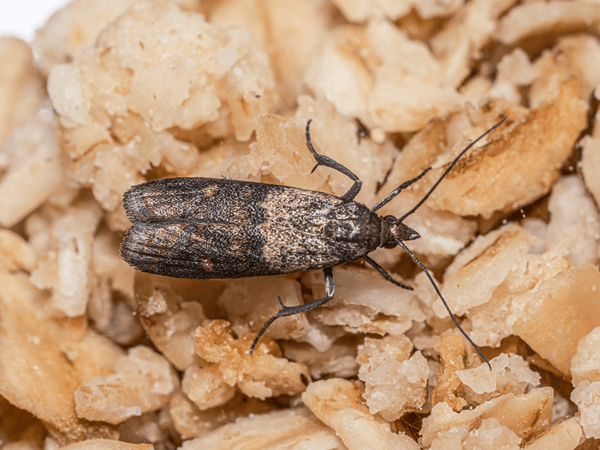
Quick Identification
- Adult Size: About 3/8 inch long; wingspan up to 1/2 inch
- Color: Pale tan to buff with a slight yellowish tint; sometimes with faint dark spots
- Distinguishing features: Wing tips are narrower and more pointed than those of Indian Meal Moths; the wings often have a fringed appearance
- Larvae: Small white caterpillars that develop entirely inside a single grain kernel
Where You Find Them in Coastal NC
Grain moths target whole, unprocessed grains and seeds:
- Whole grain rice, wheat, barley, and corn
- Bulk birdseed (a common entry point in coastal NC homes)
- Seed packets stored for next season's planting
- Whole grain pet foods and livestock feed
- Decorative dried corn, gourds, and wreaths
- Bulk grain stored in garages, sheds, or pantries
Adults emerge from infested grain and fly toward light, which often brings them into living areas of the home.
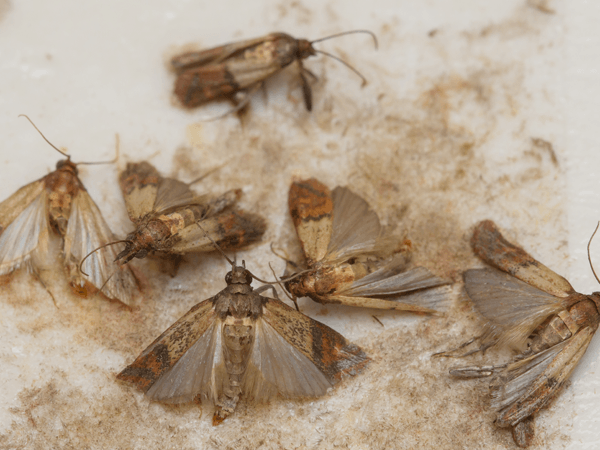
Why They Matter
Grain moths are a contamination concern in stored bulk foods:
- Bulk grain damage: Each larva destroys a single kernel; heavy infestations ruin entire bags
- Birdseed contamination: A common pathway into coastal NC homes; can spread to pantries from garage or porch storage
- Rapid reproduction: Multiple generations per year in warm climates like coastal NC
- Difficult to detect early: Larvae develop entirely inside kernels, invisible from the outside
Signs of an Infestation
- Signs of an Infestation
- Small round exit holes in individual whole grain kernels
- Hollowed-out grain kernels (the larva developed inside, then emerged)
- Fine powdery dust at the bottom of grain bags or birdseed sacks
- Adult moths near windows, light fixtures, or shed/garage lights
How Healthy Home Treats Grain Moths
Grain moth treatment is similar to general pantry moth treatment, with extra attention to bulk grain storage and seasonal items.
Treatment includes:
- Inspection of pantry, garage, shed, and storage areas for active sources
- Targeted application in cracks, shelf edges, and storage areas where adults pupate
- Perimeter treatment around the kitchen and storage entries
- Quarterly maintenance to break the moth life cycle
Homeowner action is required: all infested grain must be discarded. Remaining grain should be transferred to airtight containers or frozen for 4 days before storage to kill any eggs already present.
How to Prevent Grain Moths
- Store birdseed and bulk grain in airtight containers, not the original bag
- Keep birdseed outside the main living area when possible (garage or shed with sealed storage)
- Inspect seed packets and decorative dried items before bringing them into pantries
- Freeze new grain purchases for 4 days before long-term storage
- Rotate bulk grain stock; use older grain first
- Vacuum storage areas quarterly to remove pupae and eggs
Covered Under:
- Home + Yard Protection ($935/year)
- Home + Mosquito Protection ($1,250/year)
- Ultimate Protection Plan ($1,545/year)
- Essential Home Protection (does not include yard treatment)
Frequently Asked Questions
Grain moths are smaller, paler, and have more pointed wing tips than Indian Meal Moths (the common pantry moth). Grain moths target whole grains and seeds; pantry moths target processed foods like flour, cereal, and dried fruit.
From infested whole grains, seed packets, or birdseed brought into the home. Female grain moths lay eggs directly on or inside grain kernels at the farm, mill, or warehouse.
Yes. Grain moths are covered under every protection plan. Treatment is similar to other pantry moth species and may require discarding infested grain products.
Often, yes. Bulk birdseed is one of the most common entry points for grain moths in coastal NC. Storing birdseed in airtight containers (in a garage or shed, not the main pantry) prevents most birdseed-related infestations.
No. Grain moths only damage stored grain products. They don’t bite, don’t carry disease, and don’t damage structures, clothing, or furniture.