

Ground Beetles in Coastal Southeastern North Carolina
Ground beetles are large dark beetles that occasionally wander into homes at night. They’re actually beneficial outdoors because they eat other insect pests, but inside they’re a nuisance. Most ground beetles spotted indoors are simply lost, not establishing residency.
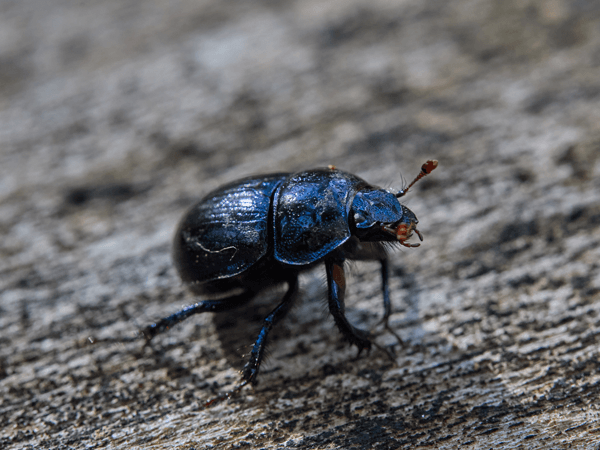
How to Identify Ground Beetles
- Size: 1/4 to 1 inch depending on species
- Color: Usually solid dark brown to black, sometimes with metallic blue or green tints
- Body: Hard, shiny, somewhat flattened
- Behavior: Fast-moving, often running in straight lines
- Activity: Mostly nocturnal, attracted to lights
They’re commonly mistaken for roaches because of their size and dark color, but ground beetles have hard shiny wing covers and run differently.
Why They're Beneficial
Ground beetles in the yard eat:
- Caterpillars
- Slugs and snails
- Aphids
- Small soft-bodied insect pests
- Grubs
Removing them from a yard can actually allow other pest populations to grow. Targeting them with treatment is generally unnecessary unless they’re persistently entering the home.
How to Tell Black from Red Imported
Some description text for this item
The two species look similar at a glance, behave identically, and sting just as painfully.
The reliable identifier is color:
| Feature | Red Imported | Black | Hybrid |
|---|---|---|---|
| Color | Reddish-brown head/thorax, darker abdomen | Uniformly dark brown to black | Intermediate, variable |
| Range in coastal NC | Dominant species | Extremely rare | Extremely rare |
| Mound appearance | Dome-shaped, loose soil | Same dome shape | Same dome shape |
| Sting | Severe, painful | Severe, painful (identical) | Severe, painful (identical) |
| Treatment approach | Bait + direct mound treatment | Same as RIFA | Same as RIFA |
If you’re in coastal NC and have fire ants, the simplest explanation is correct: they are Red Imported.
Visit the Red Imported Fire Ant page for full identification details, sting information, and treatment specifics.

How They Get Inside
Ground beetles wander indoors through:
- Gaps in weather stripping
- Foundation cracks and crevices
- Crawl space vents
- Around doors and windows
- Under garage doors
They follow moisture gradients and prey insects more than they seek out homes specifically.
How Healthy Home Handles Ground Beetles
Ground beetles are covered under all four annual protection plans. Treatment focuses on:
- Exterior perimeter treatment to discourage indoor wandering
- Sealing recommendations for entry points
- Inspection of basement and garage areas
- Quarterly follow-up
Treatment is typically not aggressive because ground beetles are beneficial outdoors. The goal is keeping them outside where they’re useful.
Covered Under:
- Home + Yard Protection ($935/year)
- Home + Mosquito Protection ($1,250/year)
- Ultimate Protection Plan ($1,545/year)
- Essential Home Protection (does not include yard treatment)
Frequently Asked Questions
Ground beetles are actually beneficial in yards because they eat other insect pests, including caterpillars, slugs, and small soft-bodied insects. They’re a nuisance only when they wander indoors. They don’t bite, don’t damage homes, and don’t infest food. Most homeowners just want to keep them outside where they’re useful.
Ground beetles wander into homes through gaps in weather stripping, foundation cracks, and around doors. They’re not seeking out homes specifically. They’re following moisture, prey insects, or simply wandering. Heavy rain often triggers indoor migrations as outdoor habitats flood. Sealing entry points is the most effective long-term prevention.
Store dry goods in airtight glass or hard plastic containers. Inspect bulk-purchased items before storing. Clean pantry shelves regularly and check for accumulated crumbs in corners. Discard any infested items immediately. Cigarette beetles can chew through cardboard and thin plastic, so original packaging often isn’t enough protection.