

Lady Beetles (Asian Lady Beetles) in Coastal Southeastern North Carolina
Asian lady beetles look like the ladybugs everyone knows, but they have one important difference. They invade homes by the hundreds or thousands in fall, seeking warm overwintering sites in wall voids and attics. In coastal NC, fall lady beetle invasions are an annual reality for many homeowners.
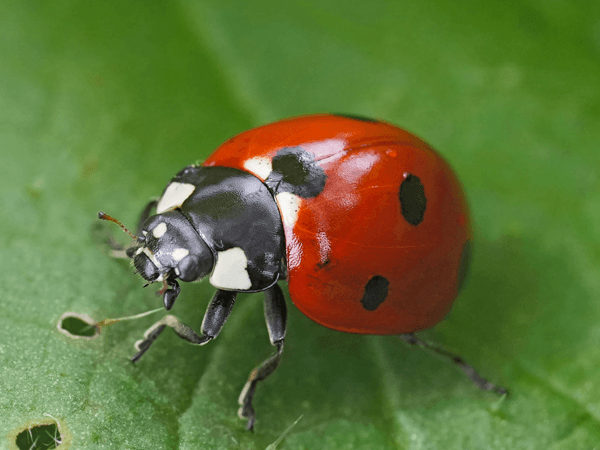
How to Identify Asian Lady Beetles
- Size: 1/4 inch (slightly larger than native ladybugs)
- Color: Yellow, orange, or red with variable black spotting
- Key feature: White M-shaped marking on the area behind the head
- Behavior: Aggregate in large numbers on warm walls and windows in fall
The white M-marking is the most reliable way to distinguish them from native ladybugs.
Fall Invasions
Asian lady beetles overwinter as adults and seek protected sites starting in October. In their native range, they overwinter on cliff faces. In North America, they substitute the sides of light-colored homes. Once they find gaps around:
- Soffits and fascia
- Window frames
- Siding seams
- Roof vents and chimneys
- Attic access points
They enter wall voids and attics in large numbers. Warm winter days trigger them to emerge into living spaces, creating the indoor swarms homeowners notice in January and February.
How to Tell Black from Red Imported
Some description text for this item
The two species look similar at a glance, behave identically, and sting just as painfully.
The reliable identifier is color:
| Feature | Red Imported | Black | Hybrid |
|---|---|---|---|
| Color | Reddish-brown head/thorax, darker abdomen | Uniformly dark brown to black | Intermediate, variable |
| Range in coastal NC | Dominant species | Extremely rare | Extremely rare |
| Mound appearance | Dome-shaped, loose soil | Same dome shape | Same dome shape |
| Sting | Severe, painful | Severe, painful (identical) | Severe, painful (identical) |
| Treatment approach | Bait + direct mound treatment | Same as RIFA | Same as RIFA |
If you’re in coastal NC and have fire ants, the simplest explanation is correct: they are Red Imported.
Visit the Red Imported Fire Ant page for full identification details, sting information, and treatment specifics.
The Staining and Smell Problem
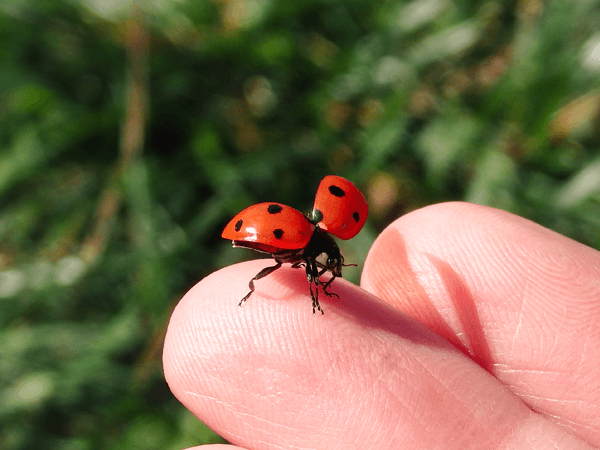
Asian lady beetles release a yellow defensive fluid when threatened or crushed. This fluid:
- Stains light-colored fabrics, carpets, and walls
- Has a distinct unpleasant smell
- Can trigger mild allergic reactions in sensitive people
Vacuuming up large numbers can leave a lasting smell in the vacuum bag or canister.
How Healthy Home Treats Asian Lady Beetles
Asian lady beetles are covered under all four annual protection plans. Effective treatment combines:
- Late-summer perimeter treatment to prevent fall entry (the critical timing)
- Sealing recommendations for soffit, fascia, and siding gaps
- Treatment of attic access points and wall voids when needed
- Quarterly follow-up
Once Asian lady beetles are already inside walls, treatment is much harder. Late-summer prevention before they enter is far more effective than reactive winter treatment.
Covered Under:
- Home + Yard Protection ($935/year)
- Home + Mosquito Protection ($1,250/year)
- Ultimate Protection Plan ($1,545/year)
- Essential Home Protection (does not include yard treatment)
Frequently Asked Questions
Asian lady beetles look almost identical to native ladybugs but are a different species (Harmonia axyridis vs. various native Coccinellidae). The most reliable difference is a white M-shaped marking behind the head on Asian lady beetles. Asian lady beetles also invade homes in large numbers in fall, which native ladybugs don’t do. Both species are beneficial outdoors as predators of garden pests.
Asian lady beetles seek overwintering sites in fall. They naturally aggregate on south- or west-facing surfaces (cliff faces in their native habitat, the sides of light-colored houses here). When they find gaps around windows, soffits, and siding, they enter wall voids and attics by the hundreds or thousands to overwinter. Warm winter days bring them out into living spaces.
Asian lady beetles can bite (a small nip, not seriously painful) and release a yellow defensive fluid that stains light surfaces. Some people develop mild allergic reactions to large indoor populations. They’re not destructive to homes or food, but the staining and the sheer numbers during fall invasions make them a real nuisance.