

Brown Dog Ticks in Coastal Southeastern North Carolina
Brown Dog Ticks are unique among coastal NC ticks: they’re the only species that can complete their entire life cycle indoors. Every other tick (American Dog, Lone Star, Blacklegged) needs to drop off into outdoor habitat between feedings. Brown Dog Ticks don’t. They can lay eggs in your baseboards, develop in your wall voids, and feed exclusively on the dog living in your house. This makes infestations especially serious and especially persistent.
They’re most common in multi-dog households, dog kennels, and any property where dogs spend significant time. Once Brown Dog Ticks establish indoors, eliminating them requires comprehensive treatment of both the home and the host animal.
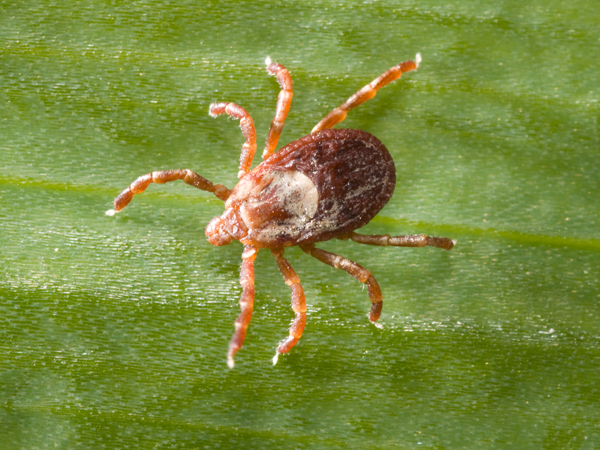
Quick Identification
- Size: Unfed adults about 1/8 inch; engorged females up to 1/2 inch
- Color: Reddish-brown to uniform brown body; no white markings
- Distinguishing features: Elongated body shape; uniformly colored; specifically targets dogs as hosts
- Behavior: Hides in cracks, crevices, baseboards, and pet bedding between feedings; climbs walls
How They Differ from Other Coastal NC Ticks
- American Dog Tick: Larger, white marbled markings, sunny grassy outdoor habitat
- Lone Star Tick: Aggressive pursuer, single white dot on female, wooded outdoor habitat
- Blacklegged Tick: Smaller, dark legs, shaded humid outdoor habitat
- Brown Dog Tick: Uniform reddish-brown, no markings, can complete life cycle indoors
If you’re finding ticks indoors year-round (not just after outdoor exposure), Brown Dog Tick is the most likely culprit.
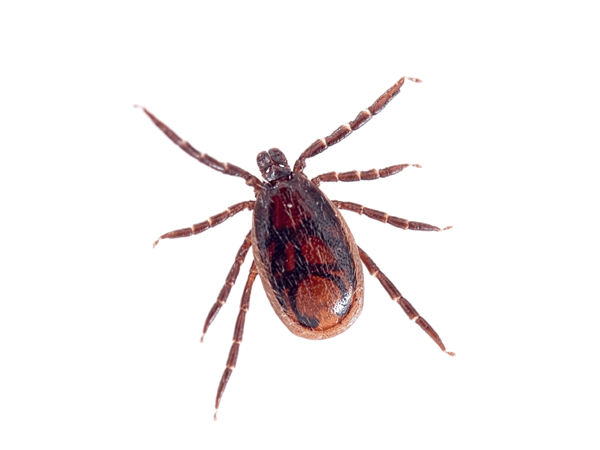
Where You Find Them Indoors
- Dog bedding and crates
- Baseboards and wall-floor junctions
- Behind pictures, curtains, and wall hangings
- In carpet edges along walls
- Inside furniture seams (especially in pet areas)
- Around door and window frames
- On walls and ceilings (yes, they climb)
- Outdoor: dog kennels, garages, sheds, dog runs
The Indoor Life Cycle Problem
Most ticks have a three-host life cycle: each life stage (larva, nymph, adult) feeds on a different host, dropping off into outdoor habitat between feedings. Brown Dog Ticks do this all on dogs, and the dog can be the same dog at every stage. When a dog is the only host available and a home provides hiding places between feedings, the entire cycle can play out indoors.
Stages and timing:
- Eggs: Female lays 1,000 to 5,000 eggs at a time, often in indoor crevices
- Larvae Hatch in 2 to 5 weeks; feed on dog for several days; drop off and molt
- Nymphs Feed on dog again; drop off and molt to adults
- Adults: Feed, mate, and females lay eggs to restart the cycle
In a warm indoor environment, a full life cycle takes about 2 months. Multiple generations can develop simultaneously, leading to rapid population increases.
Signs of an Infestation
- Ticks on dogs year-round, not just after time outside
- Multiple ticks found in dog bedding
- Ticks climbing walls or visible on ceilings
- Ticks in baseboards, behind pictures, or in carpet edges
- Tick activity continuing through winter months
- Sudden increase in tick numbers (multiple generations emerging)
- Dog showing signs of tick-borne illness (lethargy, joint pain, loss of appetite)
Diseases They Transmit
- Canine ehrlichiosis: Serious tick-borne disease in dogs; can be life-threatening without treatment
- Canine babesiosis: Parasitic infection of red blood cells in dogs
- Rocky Mountain Spotted Fever: Brown Dog Ticks can transmit this to both dogs and humans, though they're a less common vector than American Dog Ticks
Indoor populations dramatically increase the chance of disease transmission to pets because exposure is constant rather than seasonal.
Why Indoor Infestations Are Especially Hard to Eliminate
- Multiple life stages hide in different indoor locations simultaneously
- Eggs are protected from spray contact in cracks and crevices
- Tick prevention of dogs alone doesn't eliminate the established indoor population
- Re-infestation occurs from harborage areas missed during cleaning
- Continuous host availability (the dog) sustains the infestation indefinitely
Indoor Brown Dog Tick infestations almost always require professional treatment. Vacuuming and washing pet bedding helps, but it isn’t enough on its own.
How Healthy Home Treats Brown Dog Ticks
Treatment for Brown Dog Ticks is unusual among ticks because the home itself is the habitat. Healthy Home covers Brown Dog Ticks under every protection plan.
- Comprehensive interior inspection to identify harborage areas in baseboards, pet areas, carpets, and wall voids
- Targeted interior treatment of cracks, crevices, baseboards, and pet harborage areas
- Exterior perimeter and yard treatment to address outdoor harborage
- Kennel and dog run treatment where applicable
- Coordination with homeowners on dog tick prevention (recommend veterinary consultation for ongoing protection)
- Follow-up visits because Brown Dog Tick eggs are protected from initial treatment and require return visits to break the cycle
How to Prevent Brown Dog Ticks
- Year-round tick prevention for all dogs (talk to your veterinarian)
- Inspect dogs daily for ticks, especially around ears, neck, and between toes
- Wash pet bedding weekly on the hot setting
- Vacuum thoroughly along baseboards, around pet areas, and under furniture
- Empty vacuum contents into sealed bags and dispose of them immediately outside
- Address any existing ticks on dogs promptly; one engorged female can start an infestation
- Clean and treat dog kennels regularly
- Seal cracks and crevices in pet areas where ticks can hide
Covered Under:
- Home + Yard Protection ($935/year)
- Home + Mosquito Protection ($1,250/year)
- Ultimate Protection Plan ($1,545/year)
- Essential Home Protection (does not include yard treatment)
Frequently Asked Questions
Brown Dog Ticks are the only species in coastal NC that can complete their entire life cycle indoors. Other ticks need outdoor conditions to develop. Indoor Brown Dog Tick infestations are most common in multi-dog homes, kennels, and houses where dogs spend significant time outdoors and then come inside.
Signs include ticks on dogs year-round (not just after time outside), ticks crawling on walls and ceilings, ticks in baseboards or behind pictures, multiple ticks found in dog bedding, and ticks appearing even in winter months. Indoor infestations require professional treatment.
Yes. Indoor Brown Dog Tick infestations require comprehensive treatment that combines interior applications, exterior treatments, and coordination with the homeowner on dog tick prevention. This is included in all Healthy Home protection plans.
No, not alone. Dog tick prevention is essential and kills ticks that attempt to feed on the dog, but it doesn’t reach the eggs, larvae, and nymphs hiding in baseboards, carpets, and wall voids between feedings. Both the dog and the home need treatment to break the cycle.
Typically, 2 to 3 months with consistent treatment. Initial treatments knock down active populations, but eggs continue hatching for weeks. Follow-up visits address newly emerged life stages. Continuous dog tick prevention during this period is critical to prevent re-establishment.
No, that’s not necessary. The dog should stay in the home but receive year-round veterinary-prescribed tick prevention. The dog becomes the ‘sentinel’ that stops new ticks from completing their feeding cycle. Removing the host can drive ticks to look for other warm-blooded animals, including humans, but is more an annoyance than a health crisis.